

Warrior’s Edge Training Grounds
The training grounds are where warriors learn how to face the battles head-on. Where can you grow in your practice today?
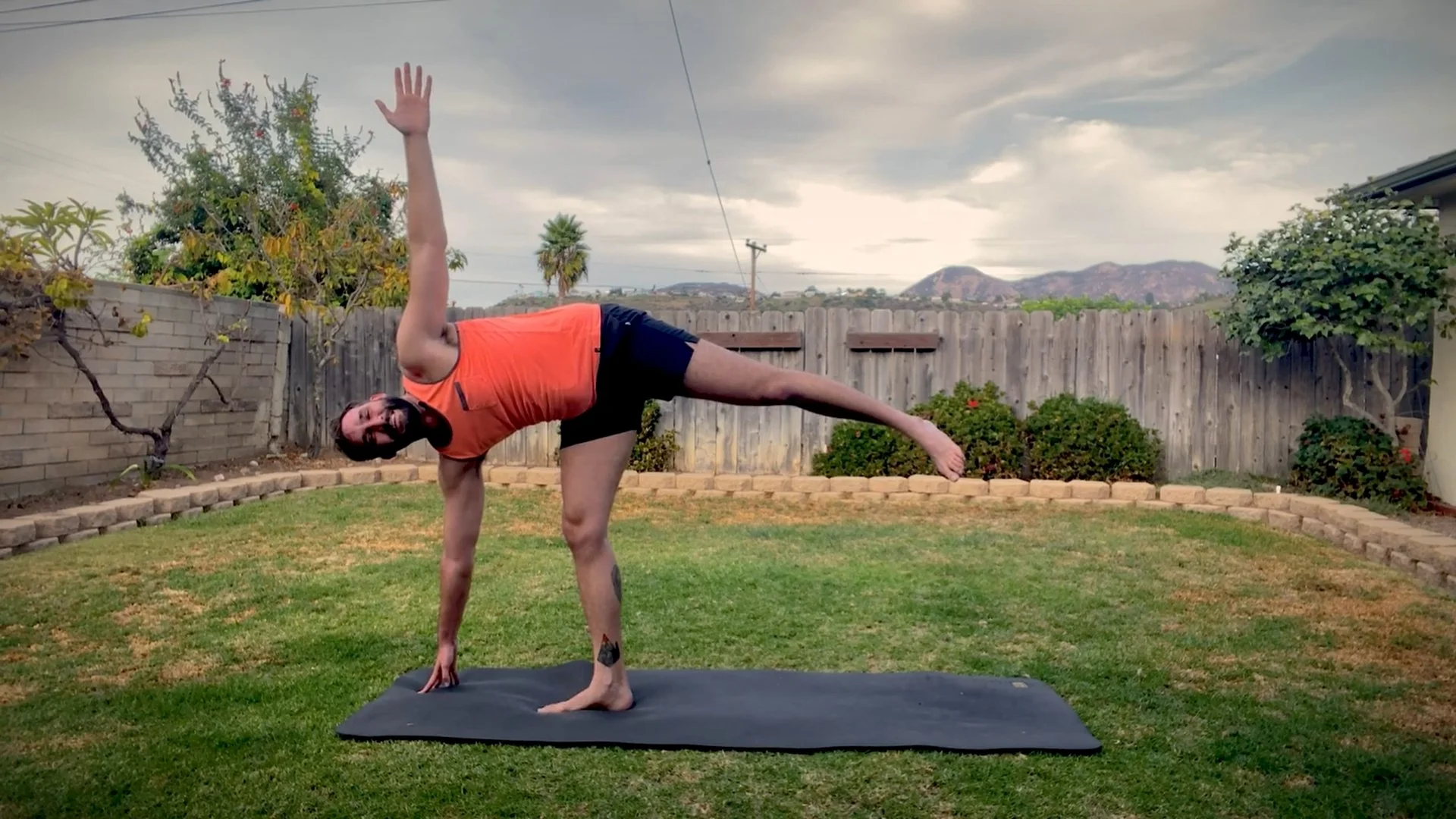
Half Moon (Ardha Chandrasana)
Half Moon Pose builds from the foundation of Triangle and shifts it into balance. You are no longer supported by both feet. One leg roots down while the other lifts. Your body opens wide into space. This is where structure meets instability.
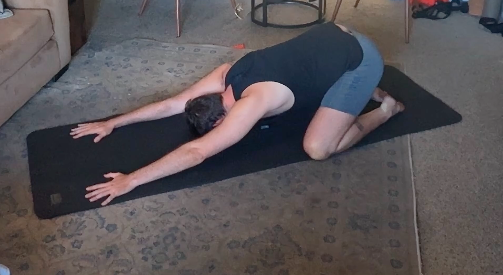
Child’s Pose (Balasana)
Child’s Pose is the place you return to when you need to rest, reflect, or reset. It’s a posture of surrender and grounding. It invites you to fold inward and find safety in stillness. Though often offered as a “break” in active classes, Child’s Pose is far from passive: it teaches you to listen, to breathe, and to reconnect to your center.

Butterfly Pose (Baddha Konasana)
Butterfly is one of those poses that looks simple on the outside, but reveals endless depth the longer you sit with it. In yin yoga, it’s often a baseline posture — accessible, grounding, and quietly powerful. In a more active practice, it becomes a forward fold that targets the hips and spine. Either way, Butterfly is a reminder that strength isn’t always about force; sometimes it’s about surrender.

Warrior 2 (Virabhadrasana II)
Warrior II expands on what Warrior I began. If Warrior I is the first step forward, Warrior II is the widening of your stance — the moment where you claim more space and ground yourself in unwavering presence. This pose teaches you to open in two directions at once, stretching your awareness and balance across a wider field.

Warrior 1 (Virabhadrasana I)
Warrior I is the entry point to the entire Warrior’s Path. When you step into this pose, you’re not just lunging — you’re declaring your presence. This is the stance of focus, of intention, of stepping forward even when the ground beneath you feels uncertain. Warrior I trains you to meet resistance head-on and teaches you that balance doesn’t come from rigidity, but from alignment and breath.