How to build a sustainable home yoga practice (without burning out)
If you’ve ever tried to practice yoga at home, you already know the truth:
It sounds way easier than it actually is.
In your mind, your home practice probably looks like this: soft lighting, calm music, a fresh mat rolled out perfectly, maybe even a candle flickering nearby.
But in reality?
It’s pets crawling across your chest in savasana, laundry calling your name, notifications buzzing, and somehow the sudden urge to reorganize your fridge.
Building a sustainable home practice isn’t about motivation, discipline, or perfection. It’s about designing a rhythm you can return to again and again without burning out.
Perfection is the enemy of consistency. Sustainability starts when you let go of the fantasy and accept what practice actually looks like.
Here are seven steps to accomplish that.
1. Stop Looking for the “Perfect Practice”
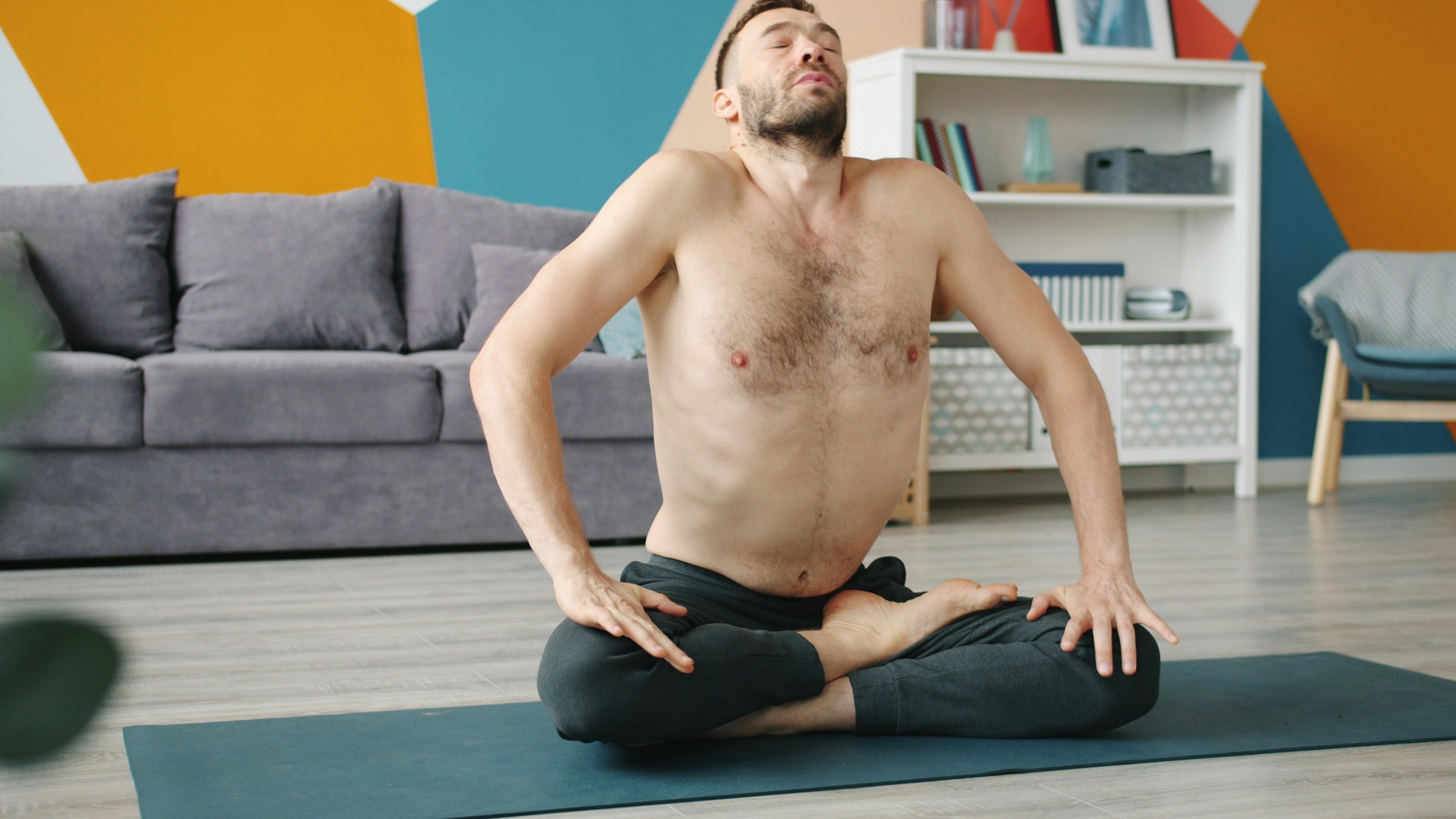
One of the biggest barriers to consistency is the idea that practice has to “look” a certain way. If you think it needs to be 60 minutes, sweaty, quiet, or magical… you’ll practice far less.
Your home yoga practice is allowed to be messy, short, imperfect, and totally human. It still counts.
Remember, when you’re at home, you (and maybe your pet, roommate, or significant other) are the only ones who can see you, so let go of any comparison mode. If they judge, it’s on them. Use this time to delve deeper into yourself.
2. Start Smaller Than You Think You Should
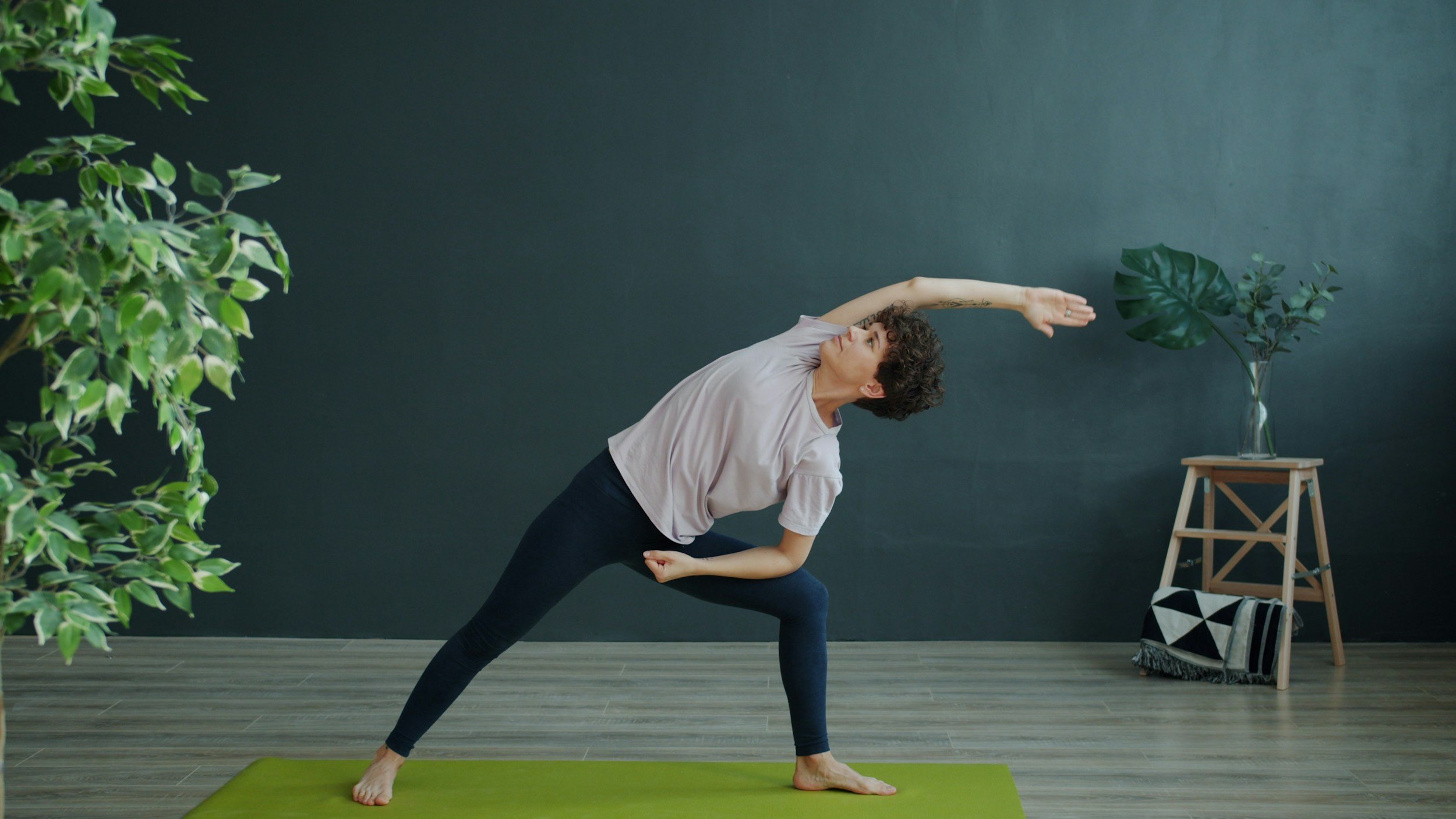
People burn out because they start too big.
Instead of aiming for a daily 60-minute class, try out a simple 5-minute Sun Salutation routine when you wake up in the morning. When your boss makes you mad in the middle of the day, pause and take three grounding breaths. You can even pick two or three postures or poses you can do anytime, anywhere, and under any circumstances, to ensure you get it done. If you have trouble sleeping, try a 10-minute nighttime wind-down flow to see how it goes.
Your brain thrives on small, consistent wins. You don’t have to commit for a long time to reap the rewards. Besides, you may find that, in the long run, the short bursts are far more sustainable.
3. Build a Ritual, Not a Routine
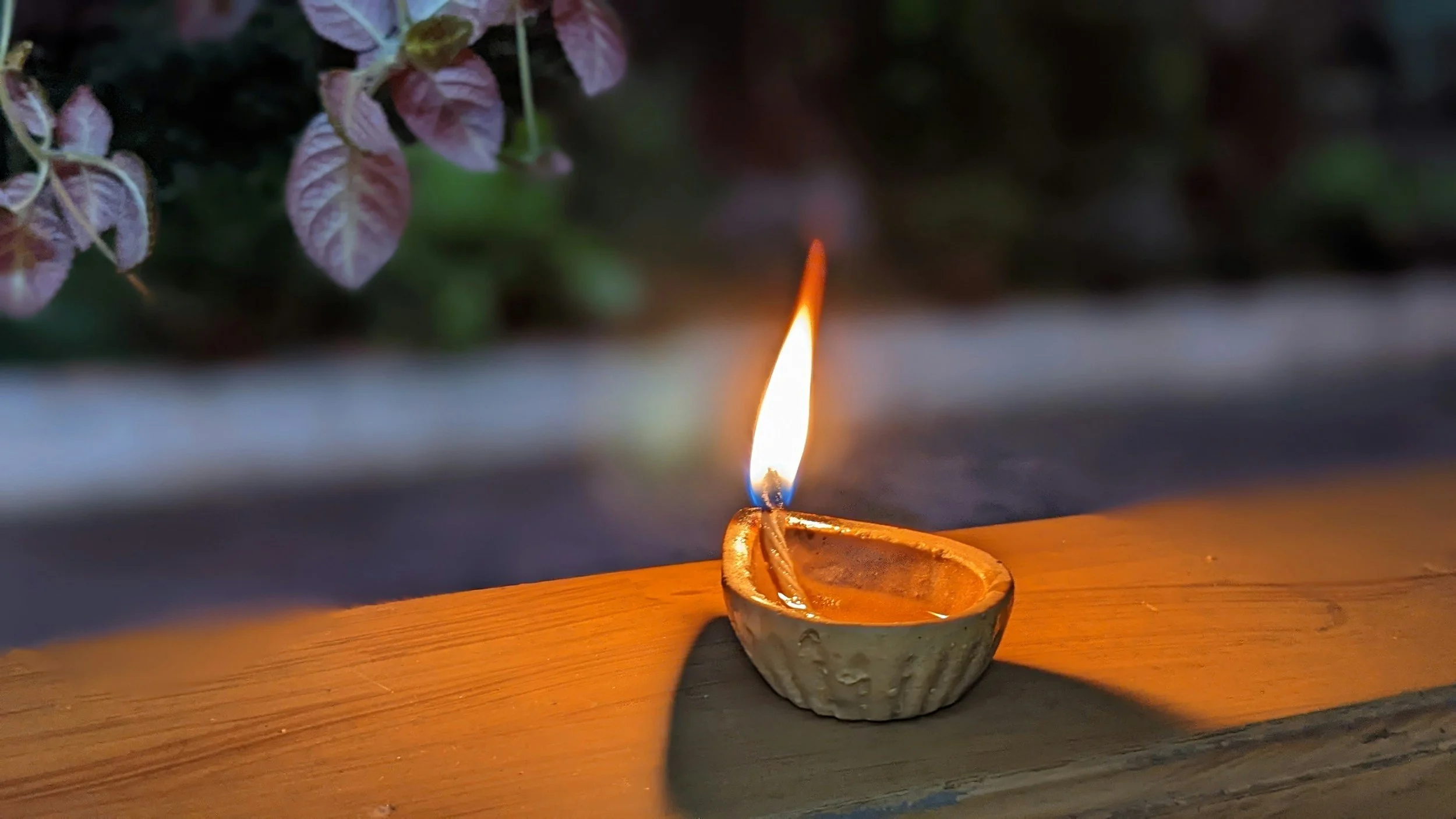
Routines can feel like chores. Rituals feel sacred.
Simple rituals might include lighting a candle (perhaps even one made from yours truly!) Sometimes just one, solid, intentional breath can change everything about your day, your attitude, or what you perceive as what’s going “wrong.”
As humans, we work well when we can set up a structure, a routine, and something we can repeat. That’s part of the reason practices like Hot Yoga or Ashtanga, where the sequence never changes, draw such a large crowd, since it enables people to repeat the same thing.
At home, you have the power to redo any sequence of your choice, try out anything you’d like, put on your playlist of choice, and make as many mistakes as you’d like.
This creates a powerful mental transition from “everyday life” to “practice mode.” This may also help you get out of “performance mode” since the only person you need to impress is yourself.
4. Create an Environment You Want to Return To
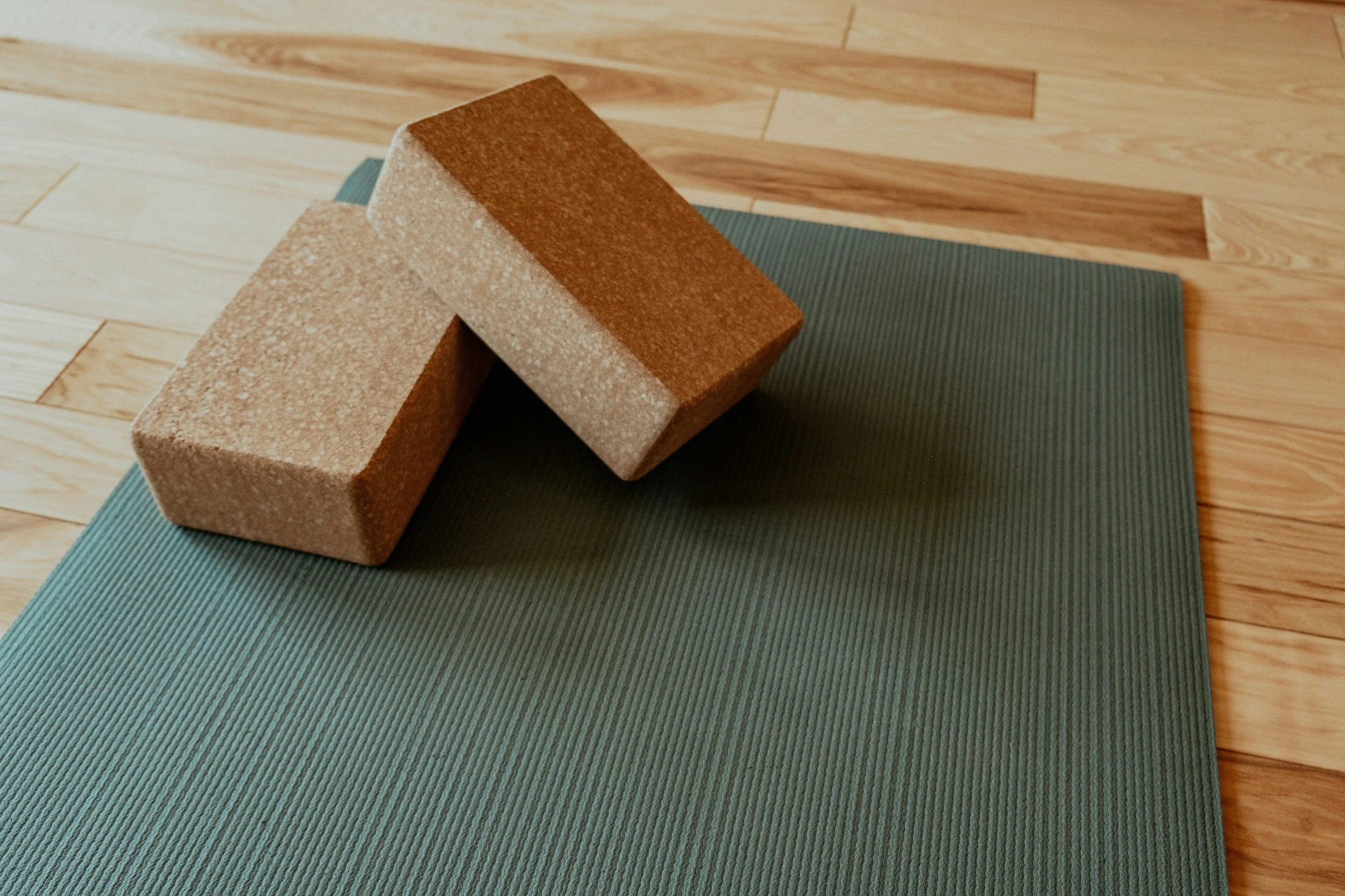
You don’t need a full studio. You do need a space that feels good.
If you live alone, try out leaving your mat rolled out at all times. That way, it’s ready to go when you are, and it also establishes the area around it as your “studio.” Nearby, you can keep your props stored neatly in a basket or a cubby to give it a studio-like feel.
Small environmental cues make your practice more inviting, and lighting has a role in that. Use gentle lighting to help keep yourself in a meditative state. If there’s something you can have pre-set to just flick on when you need, even better. The more you can reduce your setup time, the more likely you’ll be to keep returning to your space.
5. Match Your Practice to Your Energy, Not Your Schedule
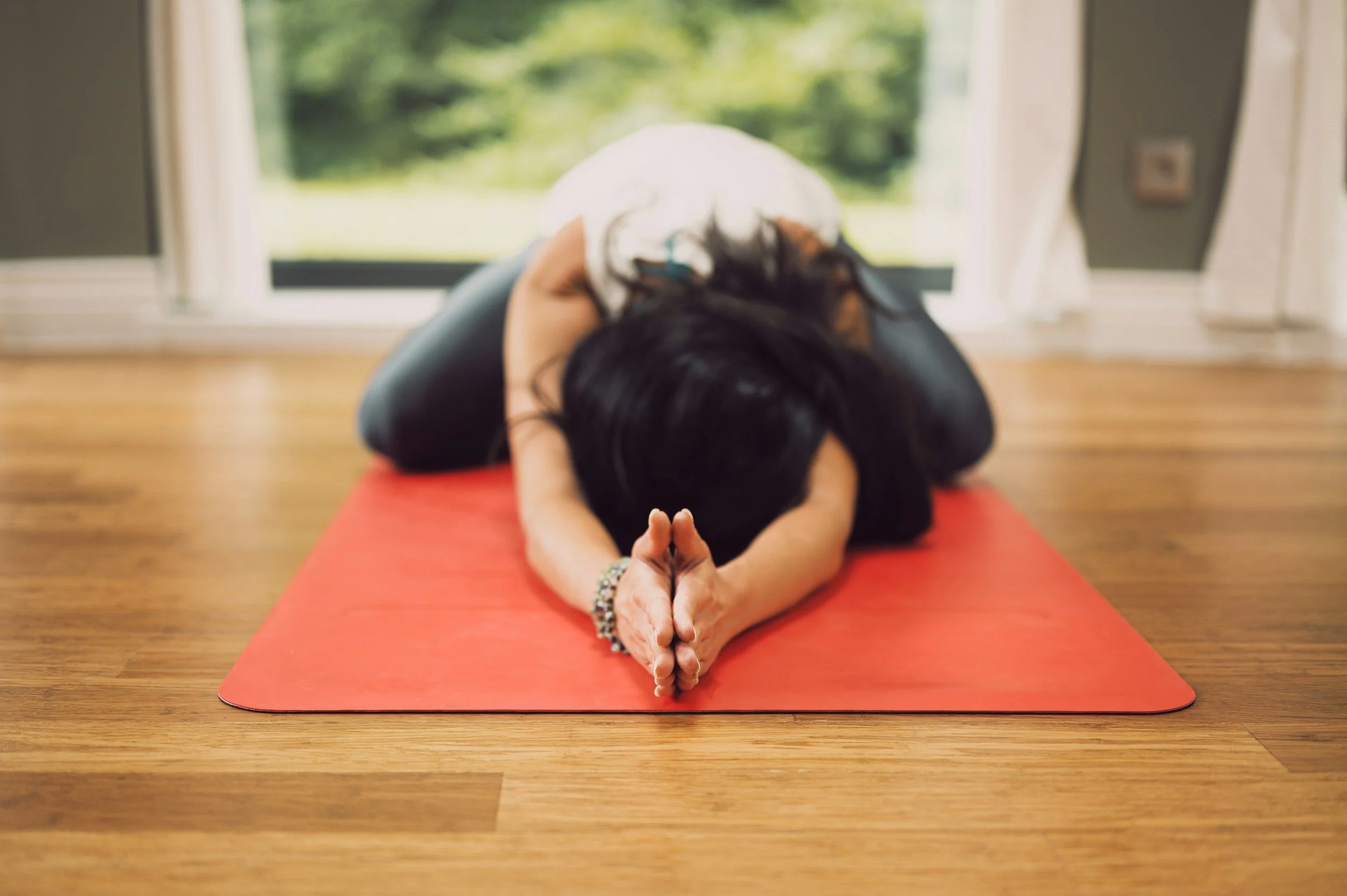
Most people force the wrong type of practice on the wrong day, and then skip entirely (yes, I am also guilty).
If that’s the case for you, remember that you can match the style of yoga to your energy at home just as much as you could when perusing the schedule at your local studio.
If you’re feeling “meh” and low energy, look to a yin practice, or just spend some time on gentle stretches and/or breathwork.
Slow flows and grounding sequences are always there when you have some energy but don’t want to go all-out. Look to strength-based or power flows on the days when you’re ready to get your ass kicked and fall asleep in savasana.
Your body isn’t a machine. Some days need fire; others need water. The great thing about having your home practice is you always get to control what your body needs, when you need it.
6. Know When to Stop (The 70% Rule)
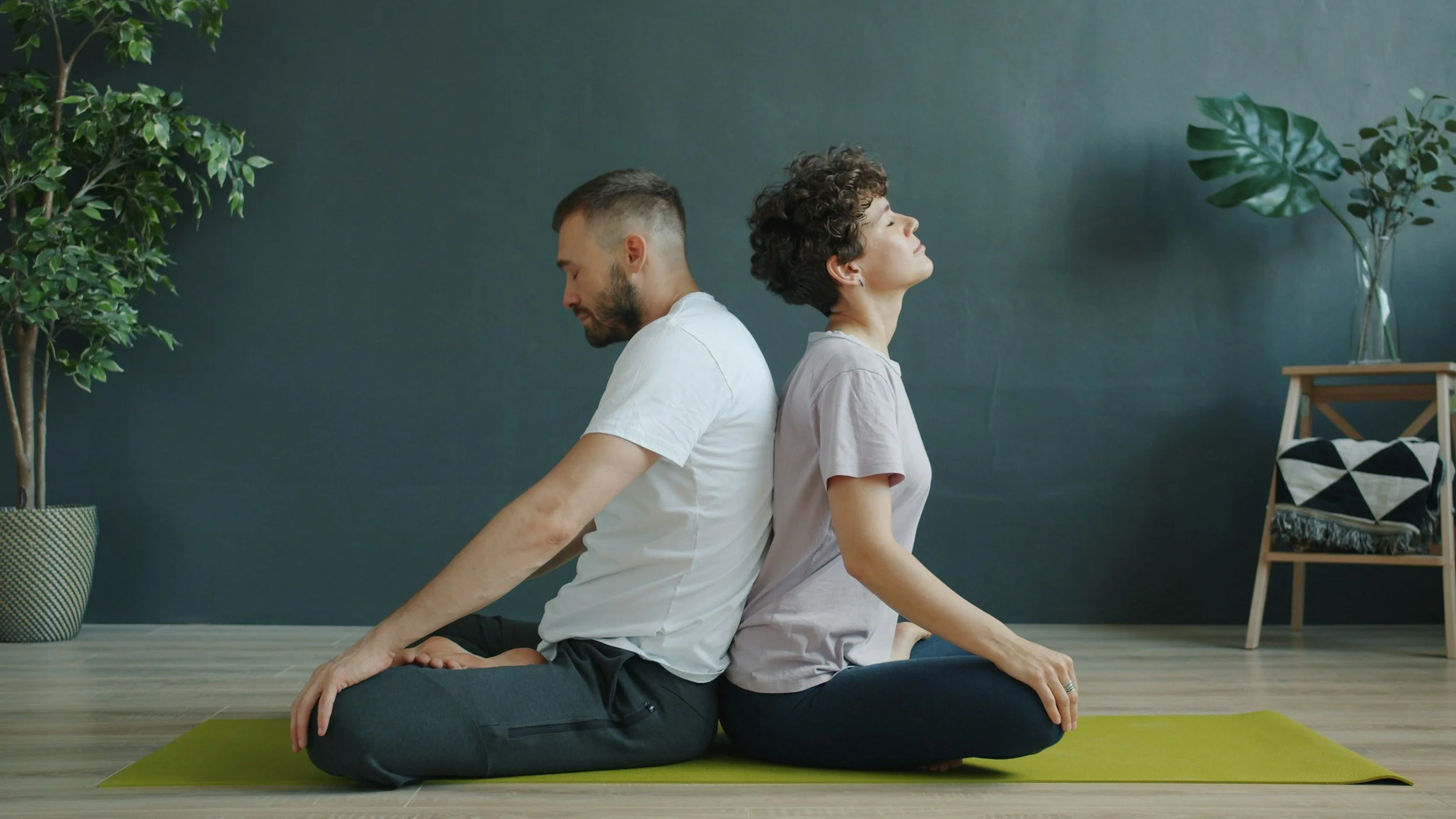
Stopping early is not failure, it’s wisdom.
The 70% rule keeps you from burning out, and it’s very simple:
Stop when you still feel like you have little to no energy left.
That’s it.
This trains your nervous system to see practice as supportive, not draining. From a strength training perspective, think of this as your rating of perceived exertion (RPE) scale. The RPE scale is a 1-10 ratio to self-determine the amount of energy you’re putting into an exercise on a scale of 1-10. The 70% rule keeps you at about a 7/10 on the RPE scale, which is right on the edge of ease and effort. You can push up to an 80% if you’d like, but keep anything 90% and above minimal, and equally don’t let yourself slack off too long in 60% and below.
7. Build a Rhythm That Supports You
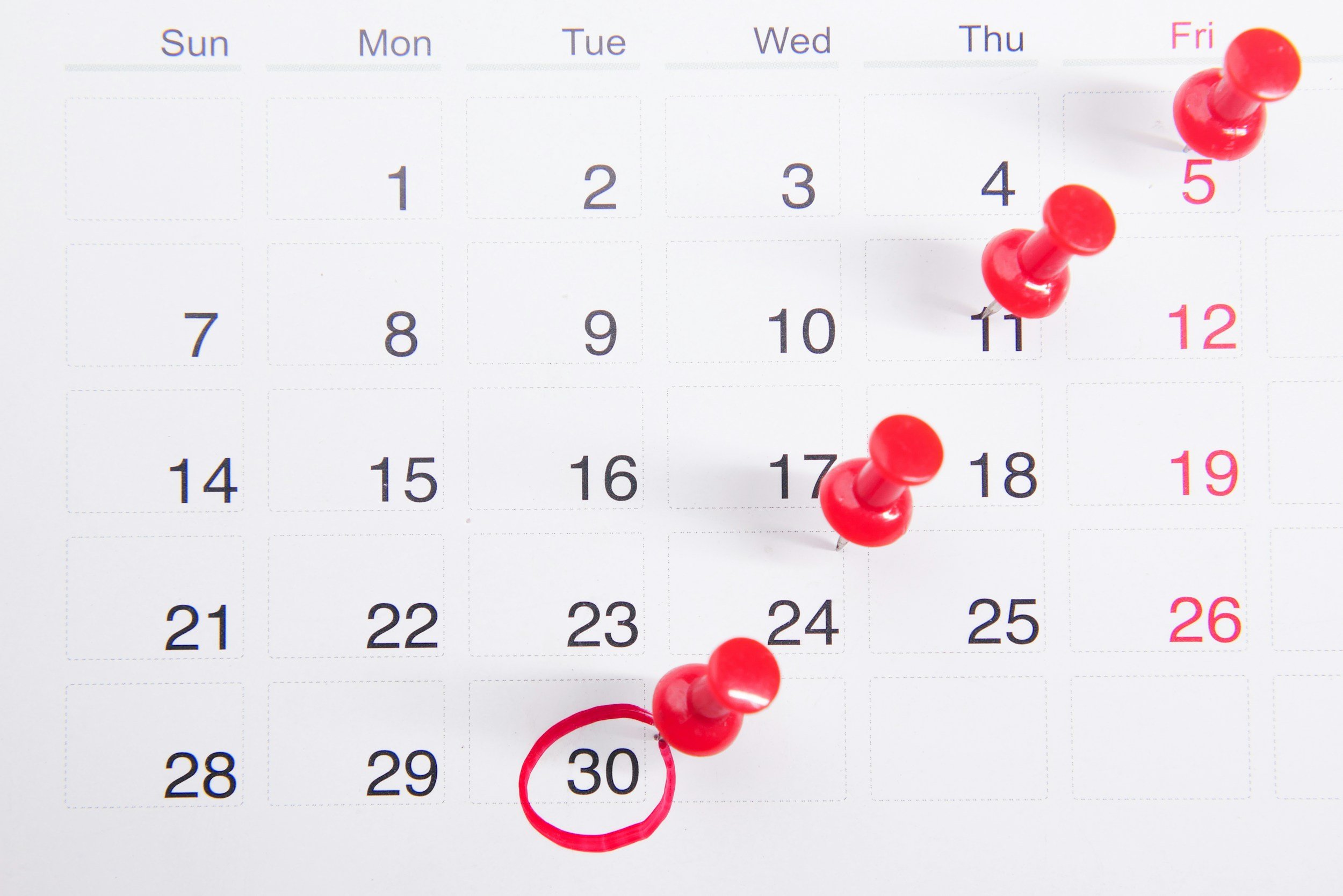
You know your schedule better than anybody else. While that may seem like a hindrance, in reality, that’s really a weapon on your side. Your yoga studio might not have a late class following a night shift. Subsequently, you might be feeling stronger when they only have something more relaxing to offer that day, or vice versa.
When you’re setting up your own at-home practice, try a sustainable structure, not a rigid routine. Example:
Monday: Gentle Flow
Tuesday: Mobility + Strength
Wednesday: Yin/stretch (recovery day)
Thursday: Strong Vinyasa
Friday: Breathwork + meditation
Weekends: Optional
Tailor it from there based on what works and what doesn’t. Consistency creates the container. Flow fills it.
Your Home Practice Still Counts
Sometimes, people avoid at-home practice because they think without the witness of other people in a community class, it doesn’t count. Or that if they choose a 20-minute flow just to wake up, it’s not enough.
Release those thoughts.
It doesn’t need to be long.
It doesn’t need to be perfect.
It doesn’t need to look like anyone else’s practice.
If you showed up—even for three minutes—you practiced.
And remember, it’s a practice, not a performance. The only person you have to show up for is you, and as long as you show up for yourself, you’re good.