
Why you don’t feel better after your practice (and what you can do about it)
You finish a class. You did everything “right.”
You followed the flow, you hit the poses, and you even stayed for Savasana.
And yet… nothing really shifted.
You’re not in pain, but you’re not better either. Not clearer, not lighter, not whatever it is people are always talking about when they say yoga “changed their life.”
This may leave you wondering if you need a different class. A harder class. A softer class. A better instructor. A different style altogether.
I’ve been there.
I’ve also seen it from the other side, teaching classes where I know people are doing everything I’m cueing, but something still isn’t landing.
And I see it at home, too.
My boyfriend is one of the smartest, most capable people I know. But when it comes to yoga, if something doesn’t click right away, there’s this immediate frustration. Like if he can’t “get it right” on the first try, something’s wrong. Either with the pose, or with him.
That mindset shows up in many people.
We’re used to being good at things. Or at least getting good quickly. And when we don’t, we either push harder or check out completely.
Yoga doesn’t really reward either of those approaches.
And that’s usually where the disconnect starts.
When Yoga Turns Into Something to “Get Through”
A lot of people come to yoga for the physical side of it. Strength, flexibility, movement, maybe even just to feel like they did something good for their body that day.
Nothing wrong with that.
But somewhere along the way, it turns into just another thing to “get through.”
Another class. Another workout. Another hour where you’re trying to keep up, do it right, not fall behind.
You move from pose to pose, but you’re already thinking about the next one. You adjust your body to match what it’s “supposed” to look like instead of what it actually feels like.
You’re there, but you’re not really there.
And when that happens, the practice loses the part that actually makes it work.
You’re Breathing, But You’re Not Using Your Breath
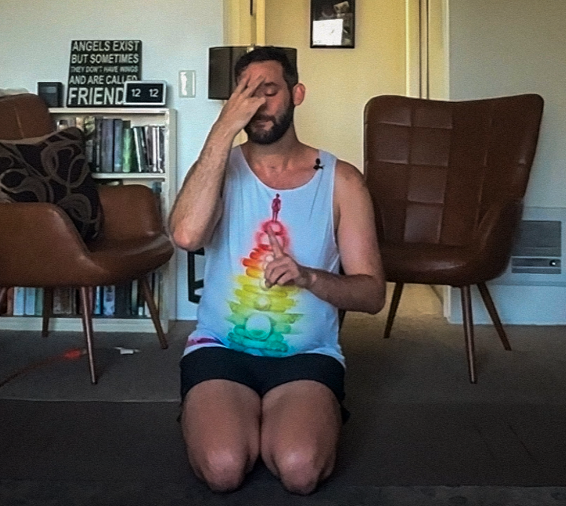
This is the one people hear all the time and still miss.
“Connect your breath to your movement.”
It sounds simple, but most people wind up huffing and puffing, taking three or four breaths to every “inhale” and “exhale” the teacher calls out.
Your breath is what steadies you when a pose gets uncomfortable. It’s what keeps your nervous system from spiking when something feels hard or unfamiliar. It’s what gives you something to come back to when your mind starts wandering.
Without that, you’re just moving your body around.
This is where something like Ujjayi actually matters. Not because it’s a “yoga thing,” but because it forces you to stay connected to what you’re doing instead of drifting through it.
It’s also why you might hear your instructor tell you to focus on the length of your exhale. When your exhales slow down, everything else follows. Your breath steadies, your movement settles, and you stop feeling like you’re trying to keep up with the class.
You’re Trying to “Get It Right” Instead of Letting It Be Messy
This is where that perfectionist mindset comes in.
If the pose doesn’t “look right”, it feels like you’re failing. If something feels awkward, you assume you’re doing it wrong. If you fall out of balance, you get mad at yourself.
Sound familiar? This mentality prevents you from experiencing the pose if you only ever want to “correct” it. Instead of staying in it, you’re reacting to it. And that reaction is usually frustration.
Proper alignment is key; depth to the pose is not.
Yoga is not a performance. There’s no version of the pose you’re being graded against, no crowd cheering you on or booing you off to the side. The “right” version is the one you can actually stay in, breathe in, and feel.
If you can’t do that, it doesn’t matter how it looks.
You’re Skipping the Part That Feels Uncomfortable
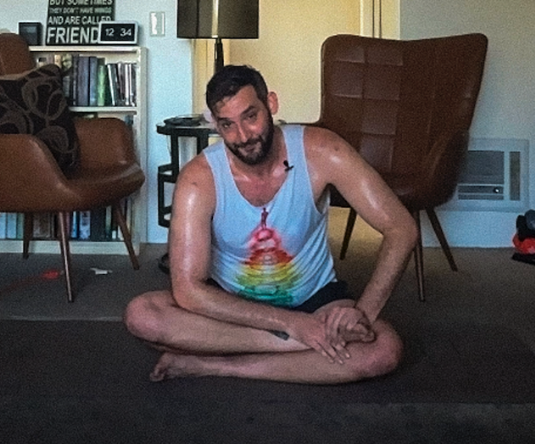
This isn’t about physical discomfort or pain—always back off to sensations of pain.
This is about the silence of your mind that feels too confronting.
The slower moments. The pauses. The stillness at the end of class, where there’s nothing left to do but sit or lie there and be with yourself.
That’s the part a lot of people avoid.
You start thinking about what’s next. You check out early. You treat Savasana like the finish line rather than as part of the practice.
But that’s usually the moment where everything starts to land.
If you keep skipping it, you'll miss the integration.
You’re Not Practicing for the Day You’re In
Not every day is the same, but many people treat their practice as if it should be.
You take the same type of class, push at the same level, and expect the same results, regardless of how your body actually feels.
Some days need strength. Some need rest. Some need slower movement and less intensity.
If you push yourself to the edge every day, your body never really gets a chance to reset.
That doesn’t make you disciplined. It just keeps you tired.
What Actually Changes Things
New poses and more advanced classes don’t help you change and grow. “Doing it right” becomes a distraction rather than a motivation. These things matter, but they’re only a small part.
It’s how you show up that defines that end result.
It’s slowing down enough to notice when you’re rushing, or staying in a pose for a few breaths longer instead of trying to escape it. It’s letting something feel awkward without immediately trying to fix it.
And honestly, it’s letting go of the idea that every class is supposed to feel good.
The Shift
The first time yoga actually felt different for me, it wasn’t because I got better at it.
It was because I stopped trying to win it.
If you don’t feel better after yoga, it doesn’t mean you’re doing it wrong.
But it might mean you’re missing the part that actually makes it work.
Slow it down. Pay attention. Let it be a little messy.
That’s where the shift happens.
Check out the practice from the screenshots below:
What’s your mentality when you step on your mat? Are you more focused on perfection or getting lost? How can you make the best of both? Sound off your thoughts down in the comments!
Related Posts

We’re used to being good at things. Or at least getting good quickly. And when we don’t, we either push harder or check out completely. Yoga doesn’t really reward either of those approaches.
And that’s usually where the disconnect starts.