
Reverse Warrior (Viparita Virabhadrasana)
Reach Back Without Retreating
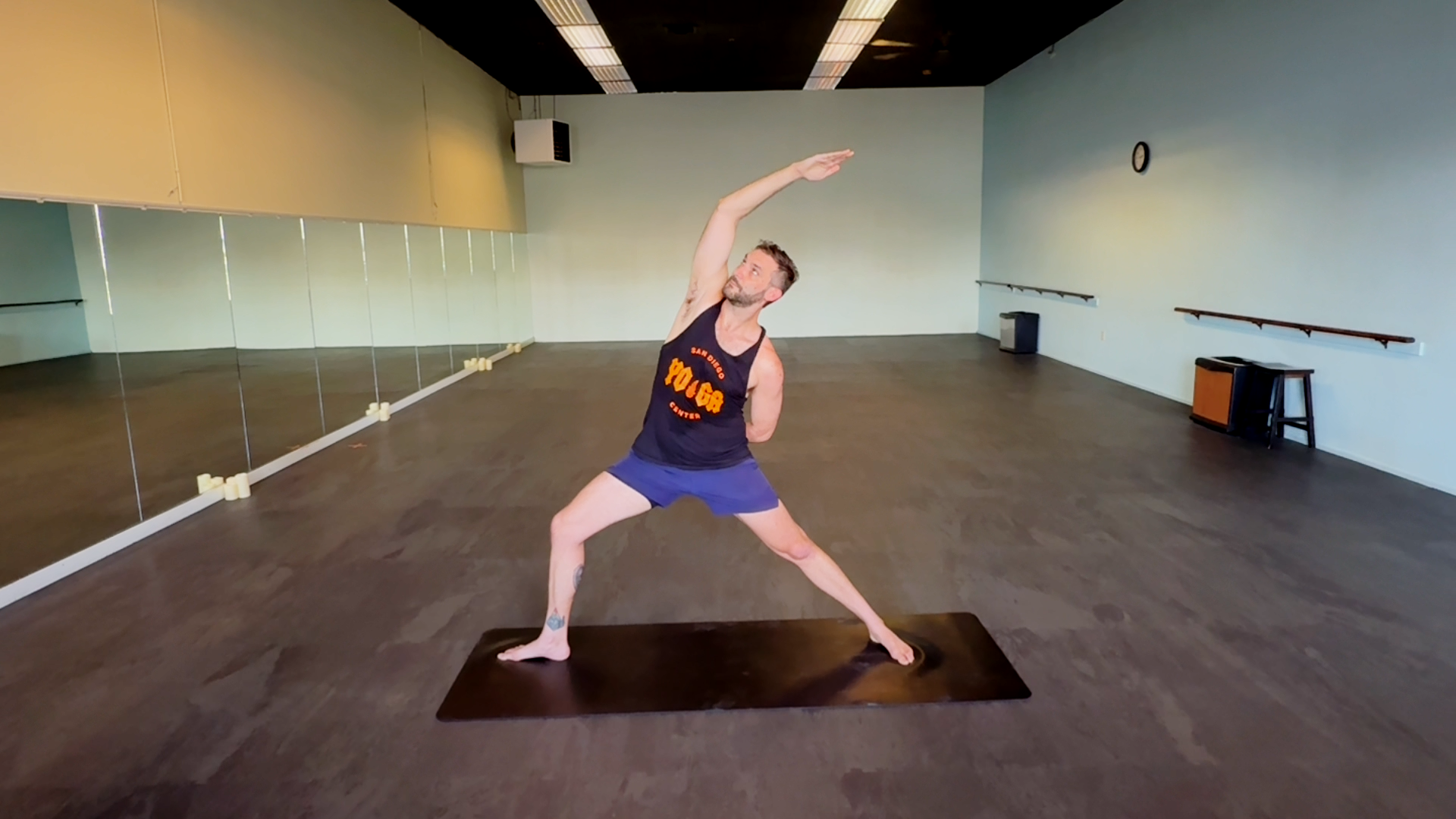
Reverse Warrior begins from the strength of Warrior 2. Your legs remain exactly where the work already is. Your front knee stays bent, your back foot stays grounded, and the foundation beneath you does not change.
What changes is your direction.
Your front arm rises as your torso reaches back, creating length through your side body, while your lower body maintains the familiar warrior stance.
On the Warrior’s Path, Reverse Warrior represents perspective. Moving forward does not mean you can only look ahead. Sometimes you need to reach back, open yourself to another direction, and discover something new without surrendering the ground you have already gained.
The Meaning Behind Reverse Warrior
“Reverse Warrior” is translated into Sanskrit as Viparita Virabhadrasana. Viparita means “reversed” or “inverted,” while Virabhadrasana refers to the Warrior poses named for Virabhadra, the fierce warrior associated with Shiva.
Unlike Warrior 1, Warrior 2, and Warrior 3, Reverse Warrior is not generally considered part of the traditional three-pose sequence associated with the story of Virabhadra. It is a modern variation that grows directly from the physical foundation of Warrior 2.
That distinction gives Reverse Warrior a different role on the Warrior’s Path.
Warrior 2 asks you to establish your stance and look directly ahead. Reverse Warrior keeps that same foundation while changing where your upper body reaches. You do not turn away from the challenge. You explore it from another angle.
Symbolically, Reverse Warrior represents perspective without retreat. Looking back does not always mean moving backward. Sometimes changing your direction is exactly what allows you to see how far you have come.
How to Practice Reverse Warrior
1. Begin in Warrior 2
With your right foot forward, bend your front knee and keep it tracking in the same general direction as your toes. Ground firmly through your back foot and extend your arms at shoulder height.
2. Maintain Your Foundation
Keep the bend in your front knee as you begin to move your upper body. Resist the tendency to straighten your front leg as you reach back.
3. Turn Your Front Palm Up
Rotate your right palm toward the ceiling while maintaining length through both sides of your torso.
4. Reach Up and Back
Sweep your right arm toward the ceiling and then gently back. Allow your torso to follow the movement without collapsing into your low back.
5. Place Your Back Hand
Let your left hand rest lightly against your back thigh. Avoid pressing or placing significant weight into your back leg.
6. Create Length Through Your Side Body
Continue reaching through your top fingertips while grounding through your feet. Focus on creating space along the right side of your torso rather than simply bending farther backward.
7. Set Your Gaze
Look toward your top hand, straight ahead, or slightly downward depending on what feels comfortable for your neck and balance.
8. Breathe and Hold
Stay for 5 to 10 breaths, maintaining the strength of Warrior 2 through your legs as your upper body expands. Repeat on the opposite side.
Props and Modifications
Keep your top hand on your hip if reaching overhead causes shoulder discomfort.
Take a shallower bend in your front knee to reduce the demand on your legs.
Keep your torso more upright and focus on reaching upward rather than backward if your low back feels compressed.
Rest your back hand lightly at your hip instead of your thigh.
Keep your gaze forward or downward if looking upward creates neck strain or affects your balance.
Common Misconceptions and Misalignments
Straightening your front leg as you reach backward. Maintain the foundation of Warrior 2 throughout the pose.
Dumping weight into your back hand. Your lower hand should rest lightly rather than support your body.
Treating the pose as a deep backbend. Prioritize length through your side body instead of collapsing into your lumbar spine.
Losing your back foot. Continue grounding through your back leg even as your attention moves upward.
Reaching backward before reaching upward. Create length first, then explore the side bend.
Benefits of Reverse Warrior
Physical
Strengthens your legs and lower body.
Creates length through your side body.
Opens your chest and shoulders.
Challenges your core stability while your torso changes position.
Builds endurance by maintaining the foundation of Warrior 2.
Mental and Emotional
Encourages adaptability and a shift in perspective.
Builds concentration while moving within a strong foundation.
Cultivates confidence in exploring unfamiliar directions.
Offers a physical reminder that reflection and forward progress can coexist.
Cautions and Considerations
Reduce the bend in your front knee if you experience knee discomfort.
Keep the side bend smaller if you have low back sensitivity.
Modify your top arm if you have shoulder limitations.
Choose a neutral gaze if looking upward causes neck discomfort or dizziness.
Avoid using your back hand to force yourself deeper into the pose.
The Edge Connection
Your edge in Reverse Warrior is learning the difference between looking back and going backward.
There can be pressure to treat progress as a straight line. Keep moving. Keep reaching. Keep your eyes fixed on whatever comes next. Reverse Warrior challenges that idea without asking you to abandon your direction.
Your legs remain committed to the stance you established in Warrior 2 even as your perspective changes above them.
Can you look somewhere new without losing your footing? Can you reflect on where you have been without becoming trapped there? Can you create space for another perspective while remaining grounded in what you know?
On the Warrior’s Path, reflection is not retreat. Sometimes understanding where you have been is what gives you the clarity to decide where you go next.
Warrior’s Edge Takeaway
In Reverse Warrior, you embody the reflective warrior.
Your foundation remains strong while your perspective shifts. You reach back without retreating and discover that another direction can reveal something the path ahead could not.
On the Warrior’s Path, this pose reminds you that progress does not require forgetting where you have been. Your past can become perspective rather than weight.
Hold your ground. Change your view. Keep moving forward.
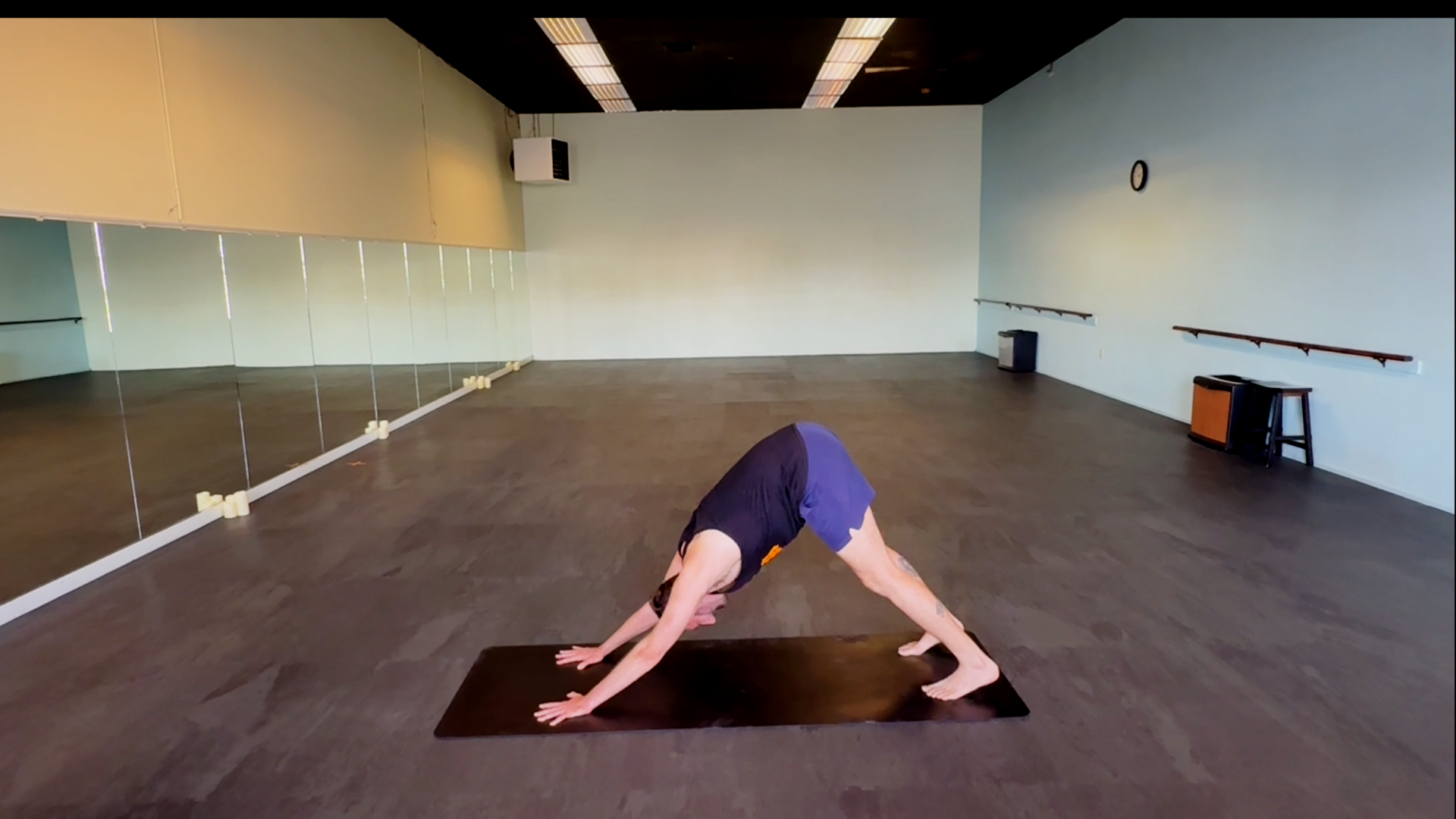
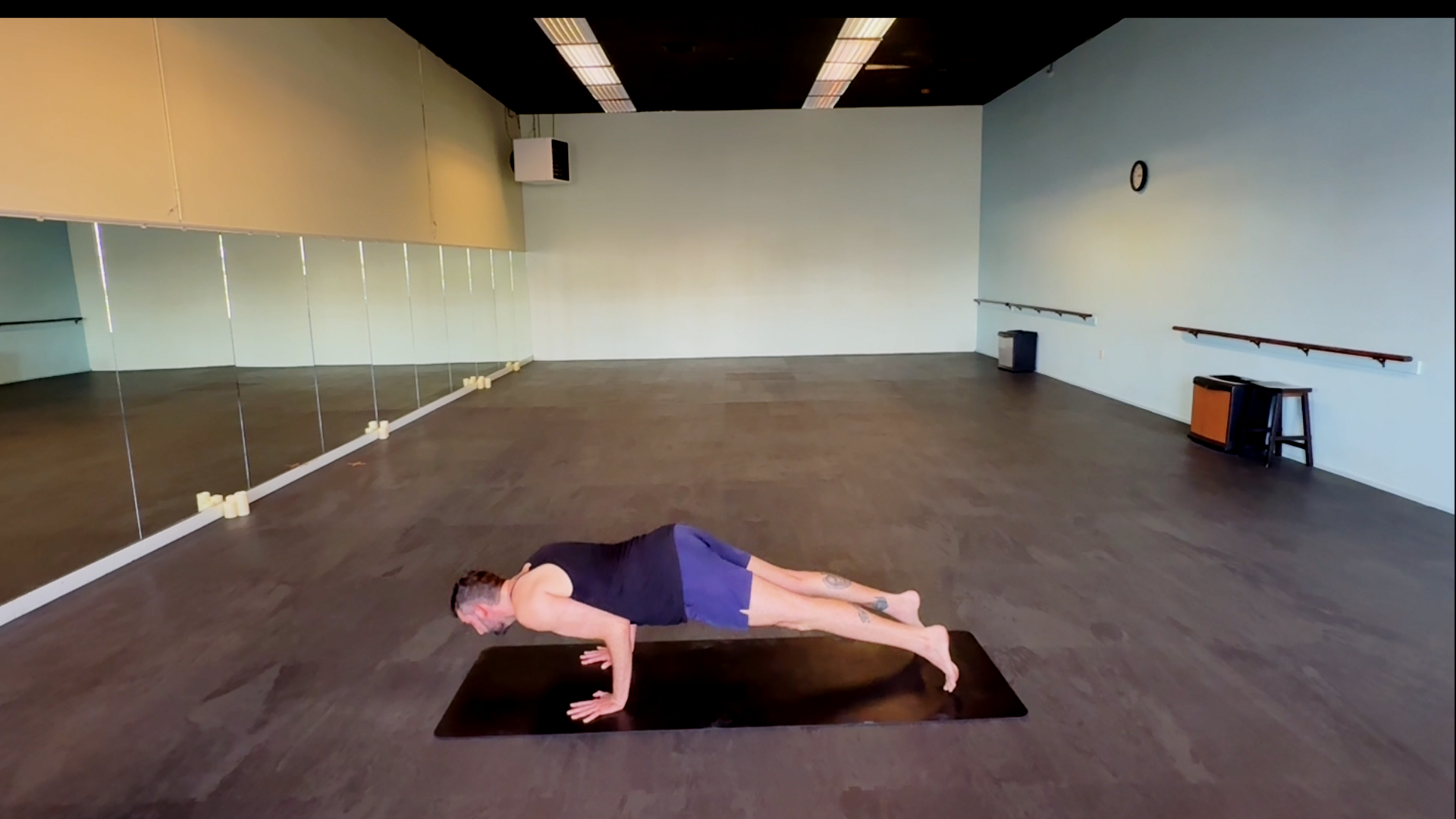

Crescent Pose is where grounding meets elevation. Unlike Warrior 1, your back heel is lifted, which immediately demands more balance and engagement from your toes. You are not anchored through two flat feet. You are rising from a narrower base.