
Standing Pigeon (Tada Kapotasana)
Find Ease While Strengthening Your Balance
Standing Pigeon builds on the balance you have been developing in One-Legged Mountain and Tree Pose, adding another layer of challenge. Instead of simply lifting one leg or opening your hip, you cross one ankle over the opposite thigh and begin to sit back.
Your standing leg works harder. Your outer hip on your lifted leg opens more. Your center of gravity drops while your foundation remains limited to a single foot.
The shape is often called Figure 4 because of the recognizable position created by your crossed legs. In yoga classes, you may also hear “Standing Pigeon,” especially because the hip-opening action resembles the relationship of the legs in Pigeon Pose and sets you up for a Flying Pigeon.
On the Warrior’s Path, Standing Pigeon represents composure. The sensation can build quickly, but the challenge is not simply enduring it. You are learning to remain balanced, breathe into resistance, and soften where you can while staying strong where you need to.
The Meaning Behind Standing Pigeon
In Sanskrit, Tada means “mountain” but can also mean “standing,” and kapotah means “pigeon.” The Sanskrit name for the pose rarely comes up in classes, as it’s often referred to primarily by its shape and relationship to other movements.
It is also closely related to Chair Pose. Once your ankle crosses your thigh, you begin bending your standing knee and sending your hips backward, essentially creating a one-legged variation of the sitting action you already learned in Chair.
That makes Standing Pigeon a meeting point between two different skills. Balance asks you to stabilize. Hip opening asks you to soften.
Symbolically, the pose represents strength that knows when to yield. You do not lose your foundation when you soften into the hip. Your foundation is what makes that opening possible.
How to Practice Standing Pigeon
1. Begin in Mountain Pose
Stand tall with your feet together or approximately hip-width apart. Ground evenly through both feet and lengthen through your spine.
2. Shift Your Weight
Transfer your weight into your left foot. Engage your left leg without locking your knee and find a steady point for your gaze.
3. Lift Your Opposite Leg
Bend your right knee and lift your foot away from the floor. Externally rotate your right thigh from your hip.
4. Create the Figure 4
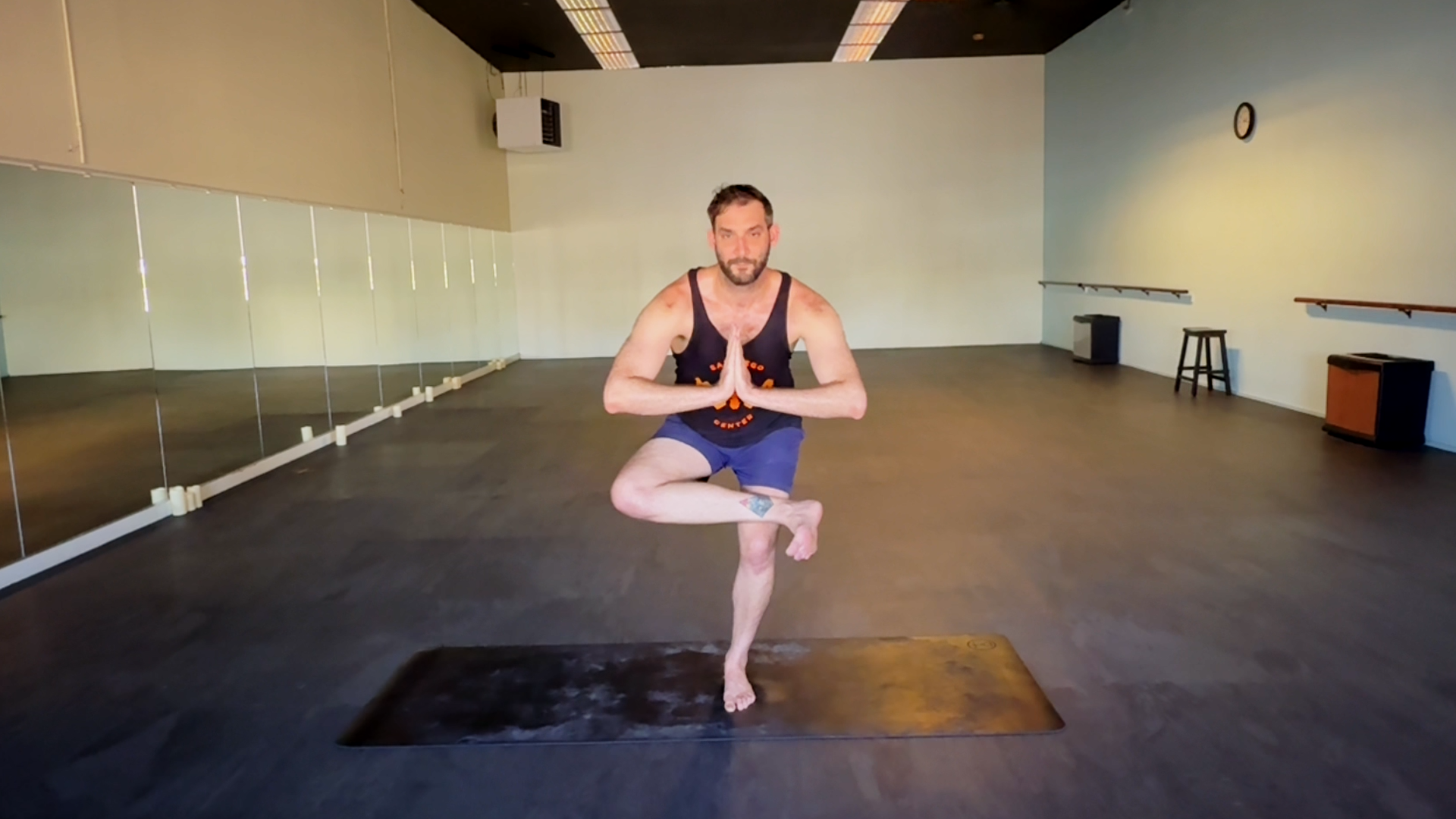
Cross your right ankle over your left thigh, just above your knee. Flex your right foot to keep the ankle active.
Avoid placing your ankle directly on your kneecap.
5. Sit Your Hips Back
Bend your standing knee and send your hips behind you as though moving into Chair Pose. Keep your chest lifted as you lower.
6. Encourage Your Hip to Open
Allow your lifted knee to move gently toward the floor without pressing or forcing it downward.
Keep your pelvis relatively level as you explore the external rotation of your hip.
7. Choose Your Arms
Bring your palms together at your heart, keep your hands on your hips, or reach your arms forward for additional counterbalance. To release, press through your standing foot to rise with control, uncross your leg, and return to Mountain Pose before repeating on the opposite side.
Props and Modifications
Practice with your back near a wall so you can sit your hips toward it without worrying as much about falling backward.
Keep your standing leg more upright instead of sitting deeply into the pose.
Place your crossed ankle lower on your standing thigh if that position is more accessible.
Practice the same Figure 4 shape seated in a chair if balancing prevents you from comfortably exploring the hip opener.
Keep your hands at your hips, heart, or down on blocks rather than extending your arms.
Common Misconceptions and Misalignments
Allowing your lifted foot to become completely passive. Flex your foot to maintain engagement through your ankle.
Placing your ankle directly against your standing knee. Cross your ankle above the knee joint onto your thigh.
Folding your chest down simply to sit lower. Send your hips back while maintaining length through your spine.
Locking your standing knee before entering the pose. Keep the leg strong but responsive.
Chasing depth at the expense of balance. Sitting lower does not automatically make the pose better.
Benefits of Standing Pigeon
Physical
Strengthens your standing leg, ankle, and foot.
Opens your outer hip and glutes.
Builds core stability and coordination.
Improves balance and proprioception.
Combines lower-body strength with hip mobility.
Mental and Emotional
Builds concentration during increasing physical sensation.
Develops patience when balance fluctuates.
Encourages calm within discomfort.
Cultivates adaptability as strength and mobility work together.
Builds confidence in increasingly complex standing balances.
Cautions and Considerations
Practice near a wall or stable surface if balance is a concern.
Do not force your lifted knee downward to create a deeper hip opening.
Move gradually if you have hip, knee, or ankle injuries or limitations.
Remember that you should feel the opening primarily through your outer hip and glutes rather than a sharp sensation in your knee.
The Edge Connection
Your edge in Standing Pigeon exists between effort and release.
Your standing leg may begin to burn as you sit deeper. Your ankle makes constant adjustments beneath you. At the same time, the hip of your crossed leg needs enough softness to begin opening.
One side of the pose asks you to work, while the other asks you to let go.
That contradiction is the practice.
Can you keep your standing leg strong without gripping everywhere else? Can you allow your hip to soften without forcing it open? Can you sit with increasing sensation while still distinguishing between productive intensity and pain?
And when you wobble, can you respond instead of panic?
On the Warrior’s Path, strength and surrender do not have to take turns. Sometimes your edge is learning how to practice both at exactly the same time.
Warrior’s Edge Takeaway
In Standing Pigeon, you embody the composed warrior.
This pose reminds you that control is not the same as rigidity. The strongest foundation can still make room for release.
Stand strong. Soften where you can. Find ease within the effort.
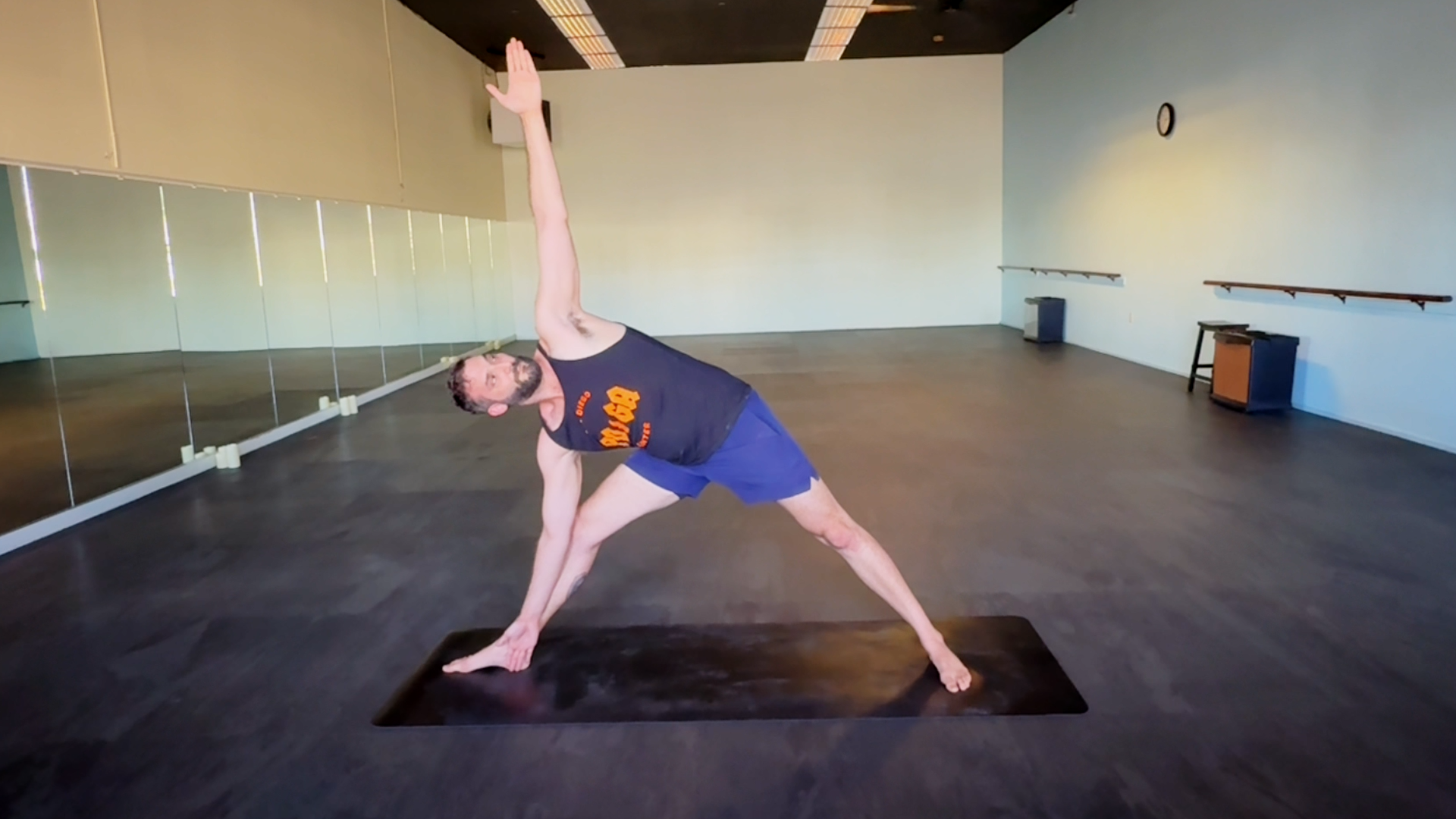
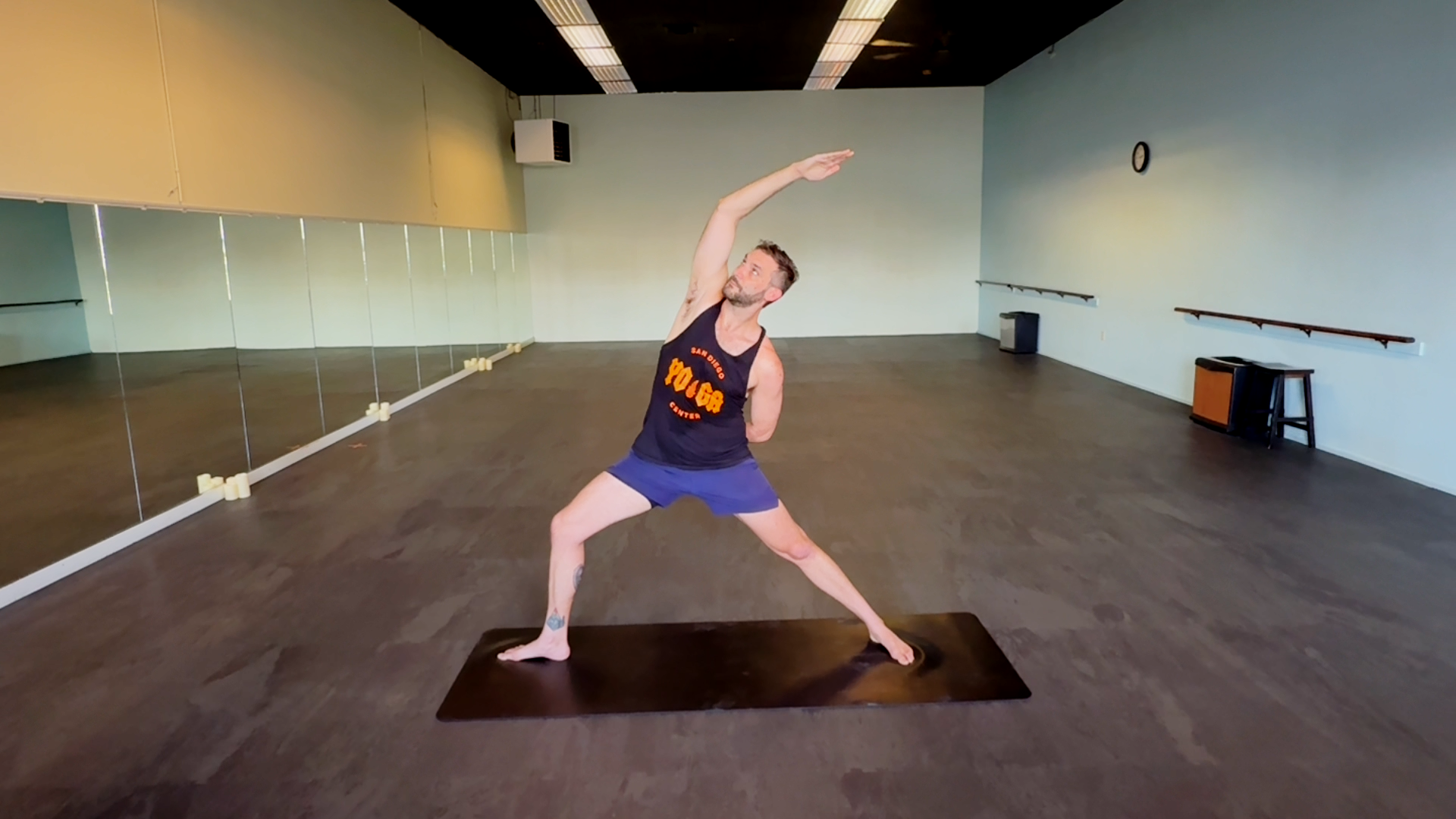
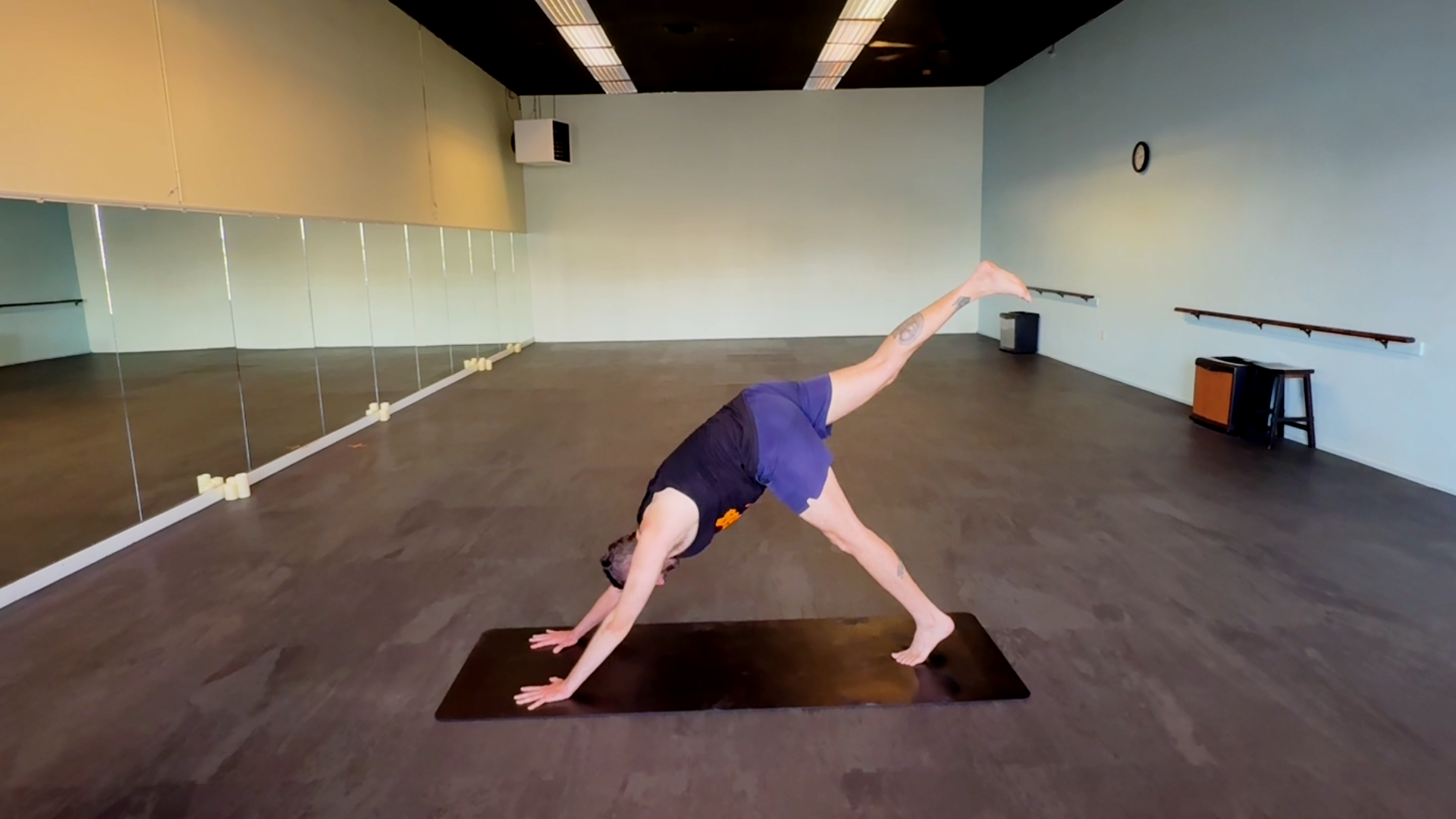
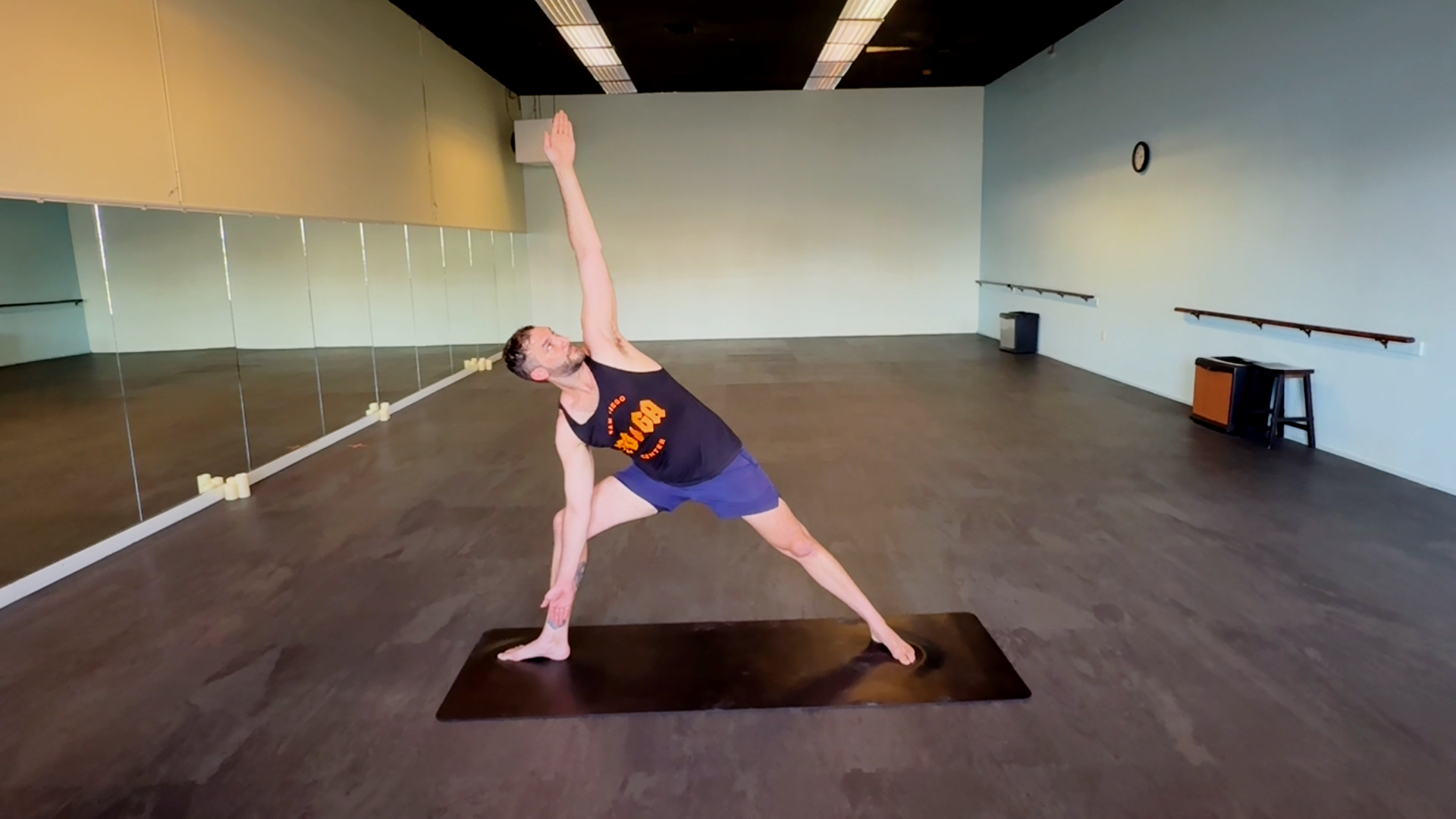
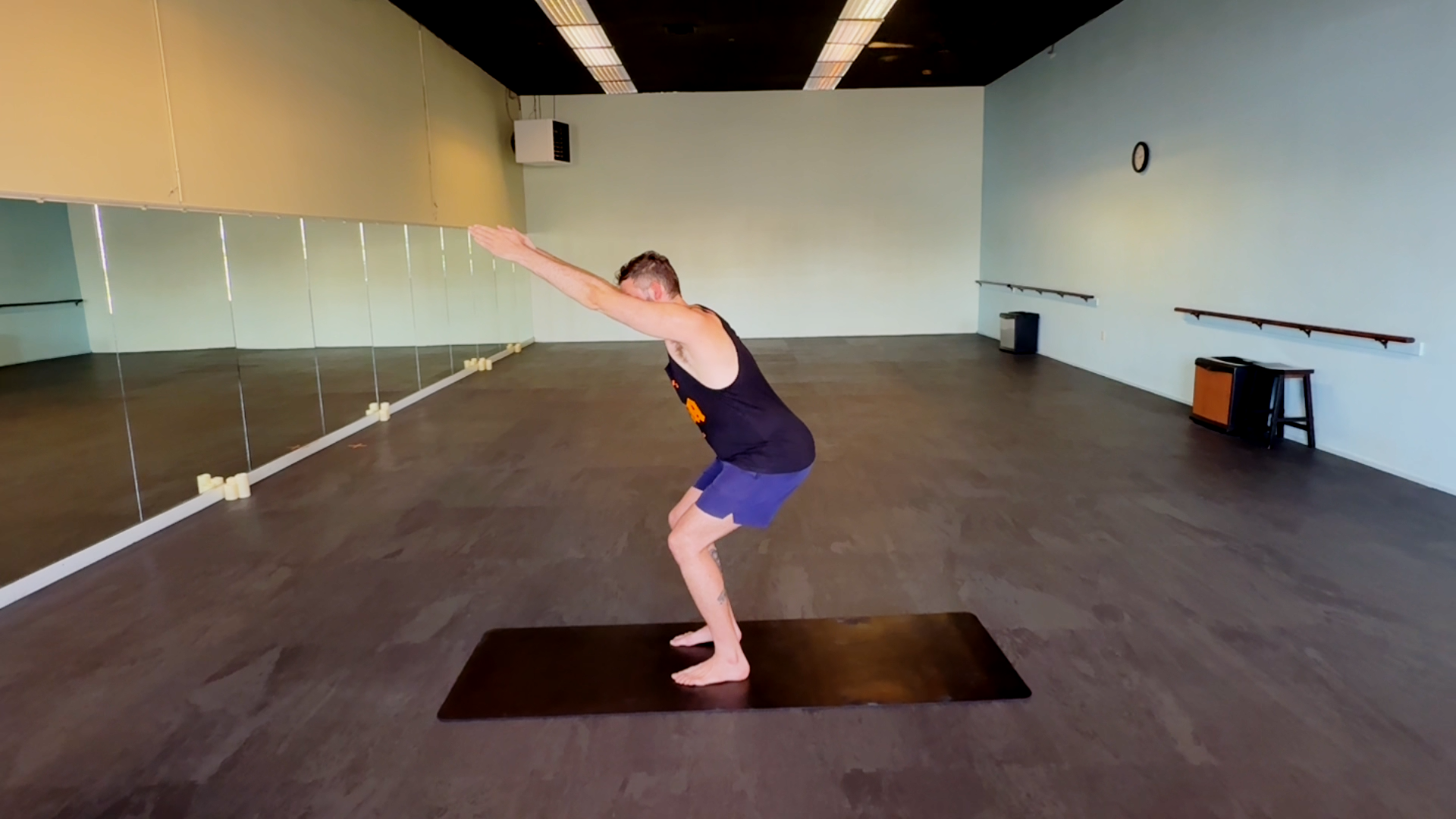
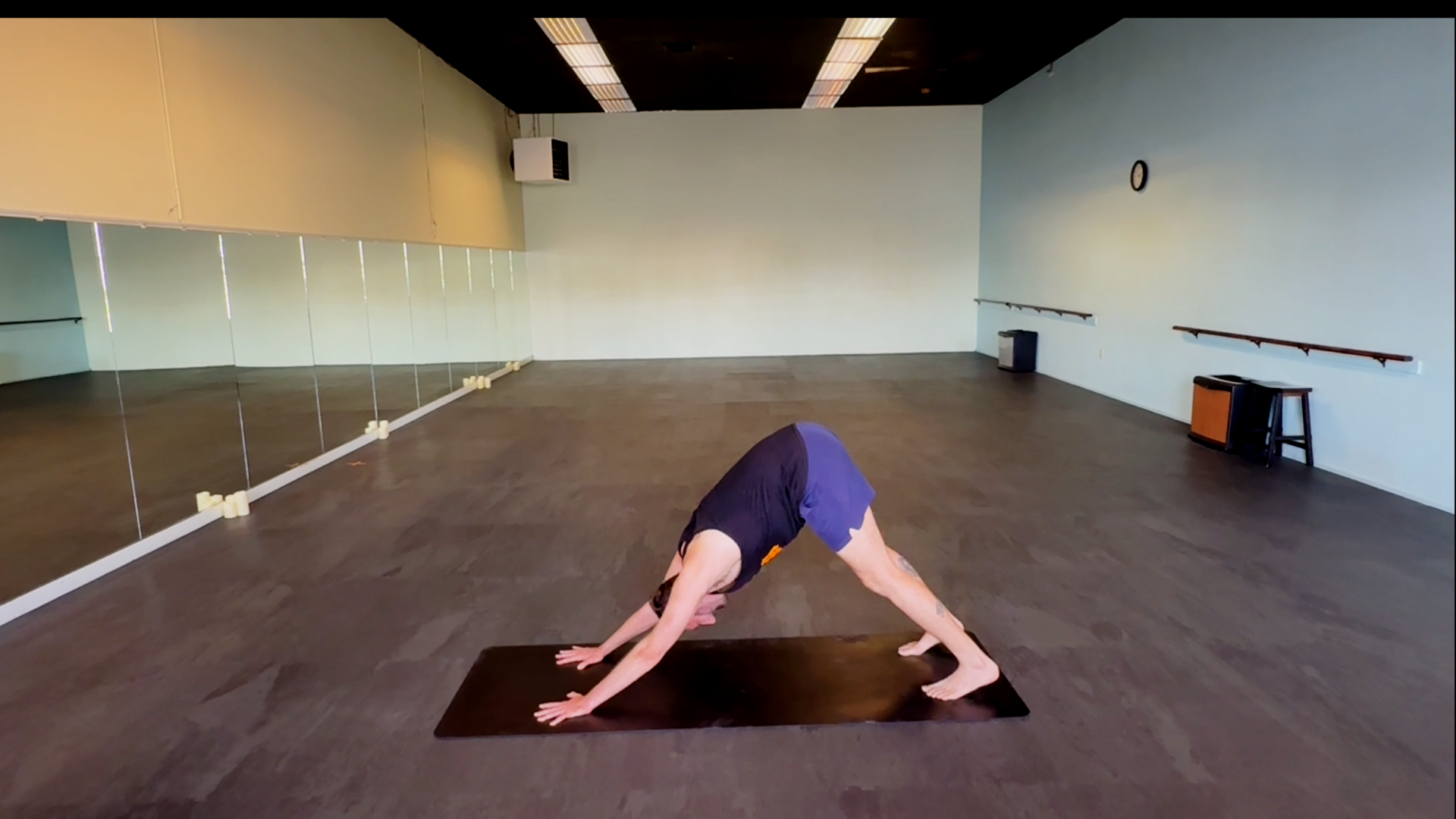
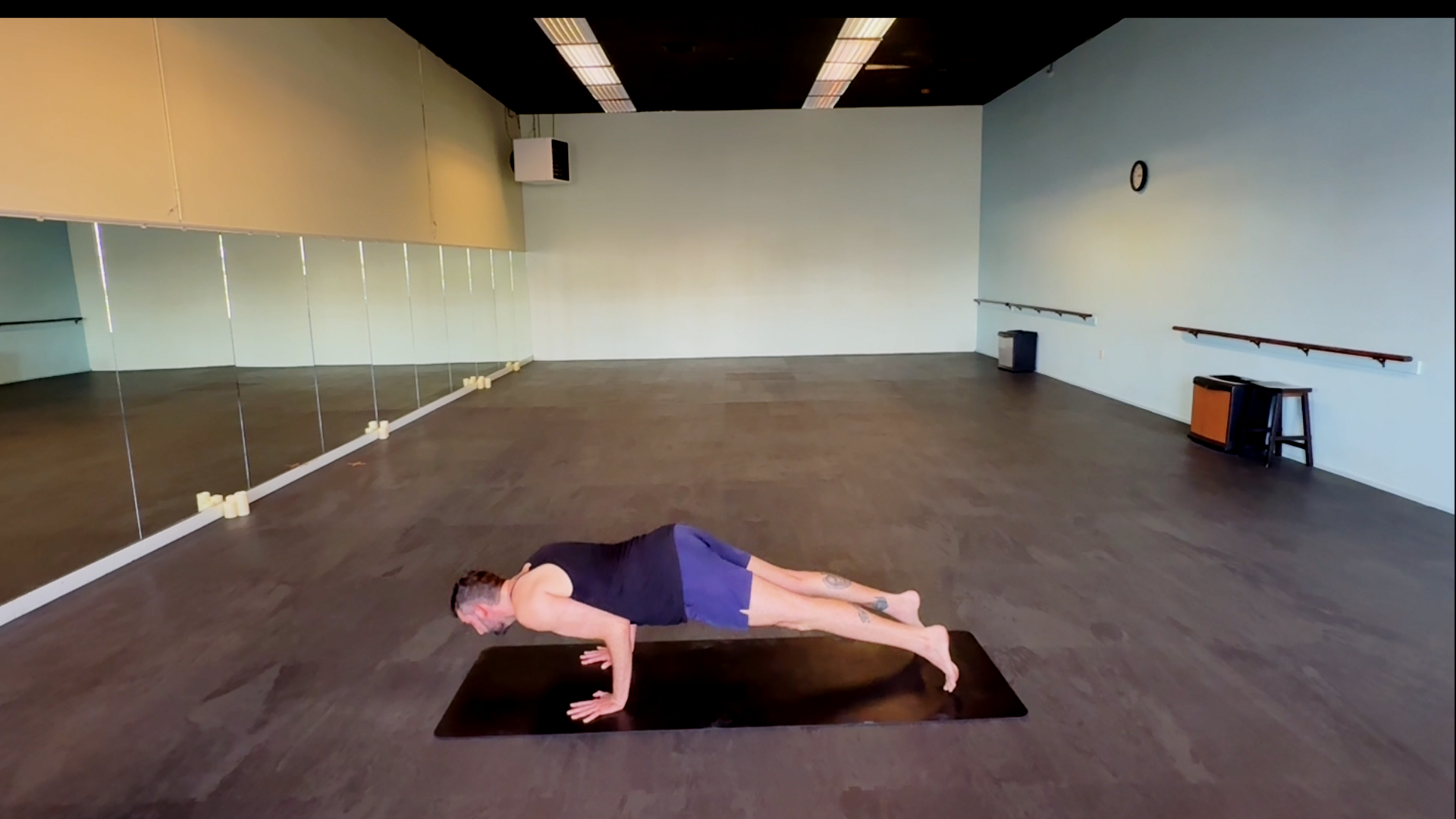

Crescent Pose is where grounding meets elevation. Unlike Warrior 1, your back heel is lifted, which immediately demands more balance and engagement from your toes. You are not anchored through two flat feet. You are rising from a narrower base.