
Triangle Pose (Trikonasana)
Expand with Structure
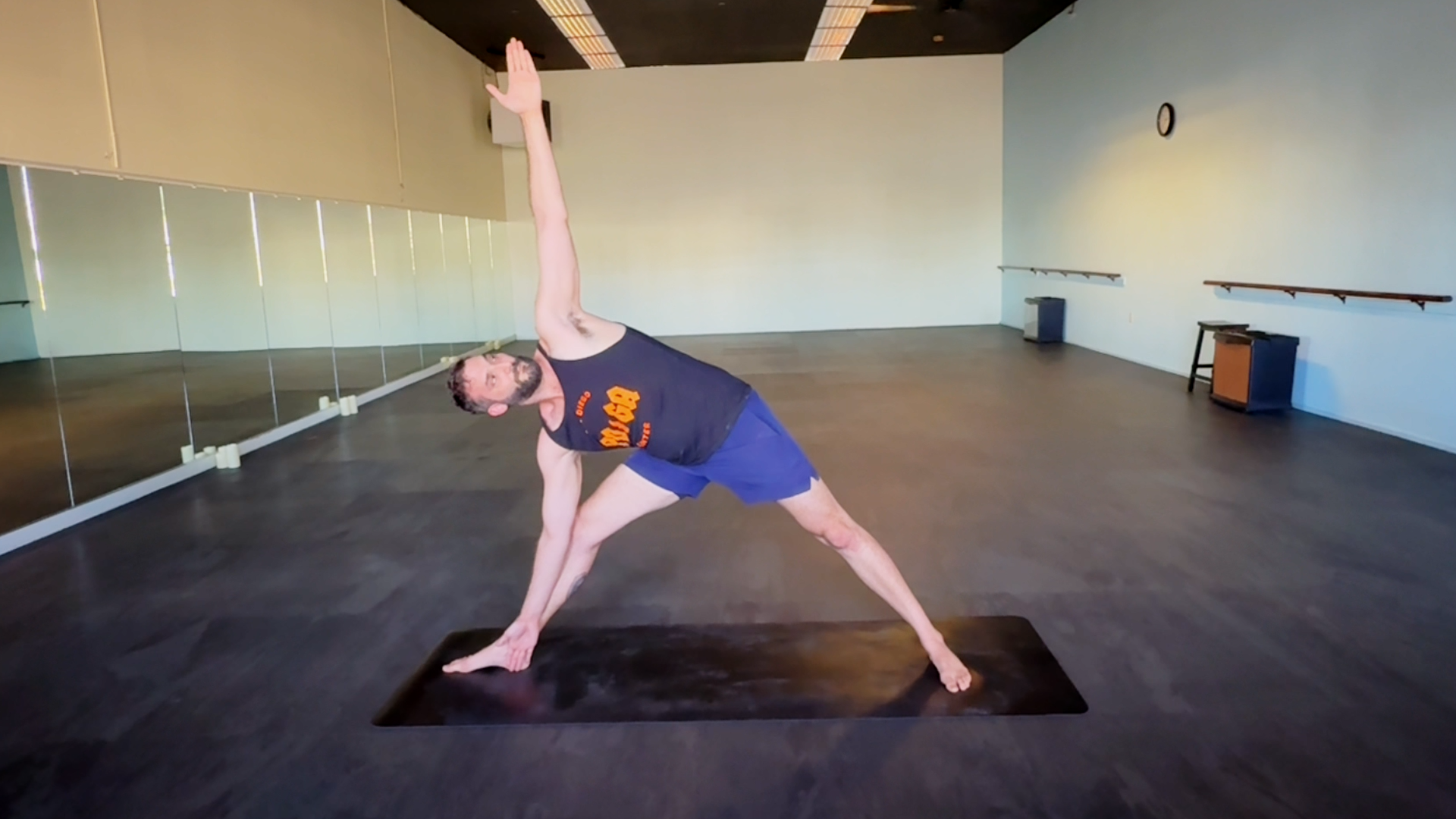
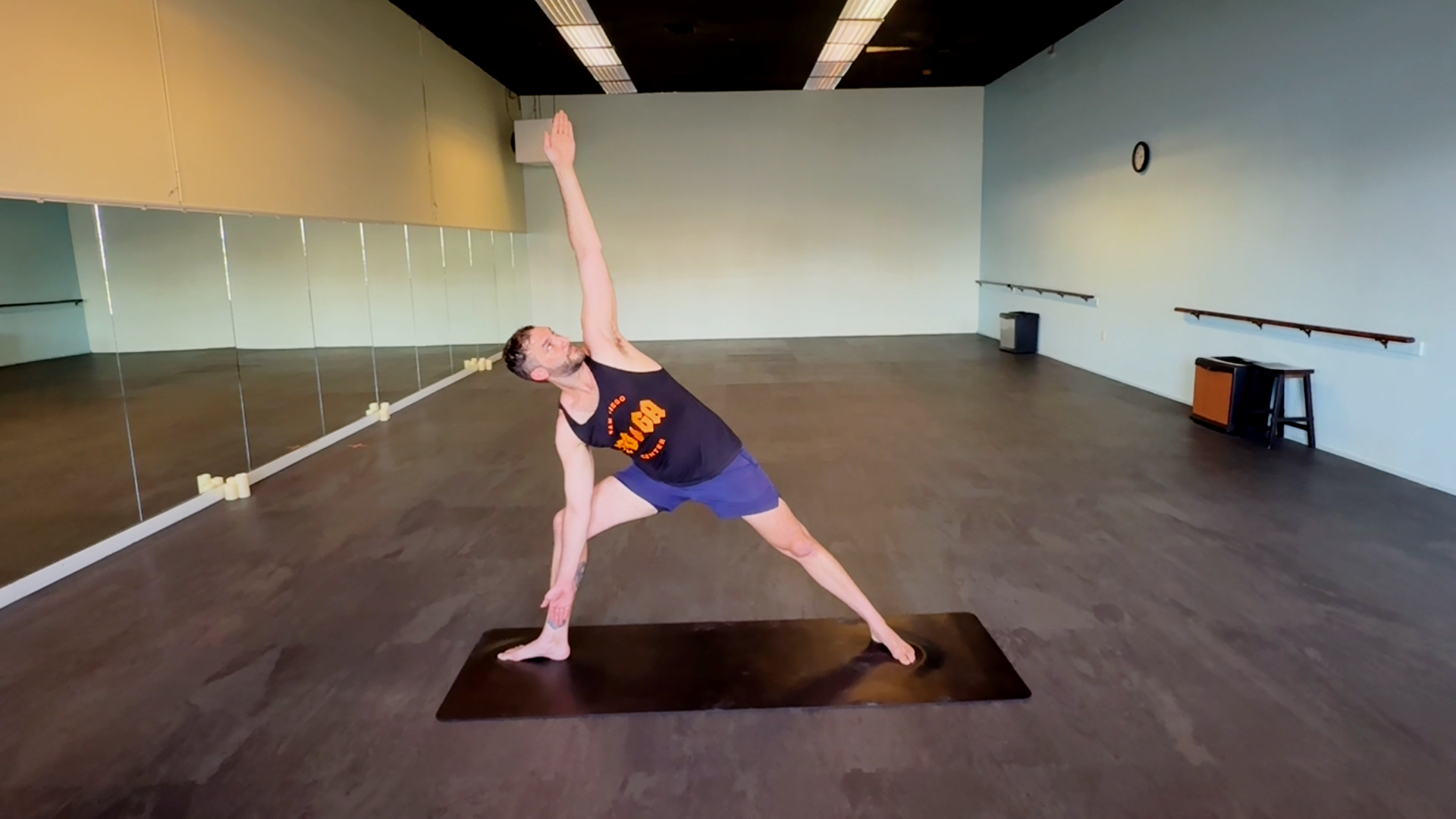
Triangle Pose is where stability meets spaciousness. It builds from the foundation of Warrior 2 but shifts the emphasis from bending into reaching. Your legs stay strong. Your spine lengthens. Your chest opens.
On the Warrior’s Path, Triangle teaches you how to expand without losing your base. It is not about collapsing into flexibility. It is about maintaining structure while creating space.
The Meaning Behind Triangle
In Sanskrit, Trikonasana translates to “Triangle Pose.” The triangle is one of the most stable shapes in geometry. It distributes force evenly. It does not wobble easily. It stands firm.
When you step into Triangle Pose, your body forms multiple triangles. Your legs create one. Your torso and front leg create another. Stability becomes the foundation for openness.
Symbolically, the triangle represents balance between strength, flexibility, and awareness. This pose invites you to embody all three at once.
How to Practice Triangle Pose
1. Set Your Base
Step your feet about 3 to 4 feet apart. Turn your right toes forward and angle your left foot slightly inward. Align your front heel with the arch of your back foot. Think Warrior 2 with a straight front leg.
2. Engage Your Legs
Press firmly into both feet. Lift through your kneecaps without locking your joints. Keep your legs strong and active.
3. Reach Forward
Extend your right arm forward as far as you can without collapsing your chest. Think length before depth.
4. Lower with Control
Place your right hand on your shin, a block, or the floor if accessible. Avoid dumping weight into your bottom hand. Over time, your right hand may hook onto your right big toe.
5. Open Your Chest
Stack your left shoulder over your right. Extend your top arm toward the ceiling. Rotate your ribcage upward.
6. Set Your Gaze
Look up toward your top hand, forward, or down depending on your neck comfort. Stay for 5 to 10 breaths. Maintain strength in your legs while expanding through your torso.
Props and Modifications
Use a block under your bottom hand to maintain alignment.
Shorten your stance if balance feels unstable.
Practice with your back against a wall to feel proper stacking.
Keep a slight bend in your front knee if hyperextension is a concern.
Common Misconceptions and Misalignments
Locking the front knee. Keep it active but soft.
Collapsing into the bottom hand. Your legs should carry most of the work.
Rounding the spine. Focus on length before rotation.
Forcing depth instead of prioritizing alignment. Expansion is always the goal.
Benefits of Triangle Pose
Physical
Strengthens your legs and core.
Stretches your hamstrings and hips.
Opens your chest and shoulders.
Strengthens your obliques.
Mental and Emotional
Builds concentration and body awareness.
Encourages balance between effort and ease.
Develops steadiness through expansion.
Allows detoxification in your spine.
Cautions and Considerations
Ignoring hamstring injuries. Avoid overreaching.
Ignoring lower back sensitivity. Keep your torso more upright and use a block.
Straining your neck. Adjust your gaze if neck strain occurs.
Forcing your front leg to be straight. Avoid hyperextending your front knee.
The Edge Connection
Your edge in Triangle Pose is structural integrity. It is tempting to reach lower and deeper, but the true work lies in maintaining length and stability. Can you expand without collapsing? Can you rotate without losing strength in your legs? Can you keep your top shoulder stable and under your control?
Triangle asks you to honor alignment over ego. It teaches that depth is earned through steadiness, not force.
Warrior’s Edge Takeaway
In Triangle Pose, you embody expansion grounded in discipline. You are not lunging forward like a warrior, but you are still strong, deliberate, and aware. You learn that power can stretch sideways. That strength can be spacious.
On the Warrior’s Path, Triangle reminds you that stability and openness are not opposites. They are partners.
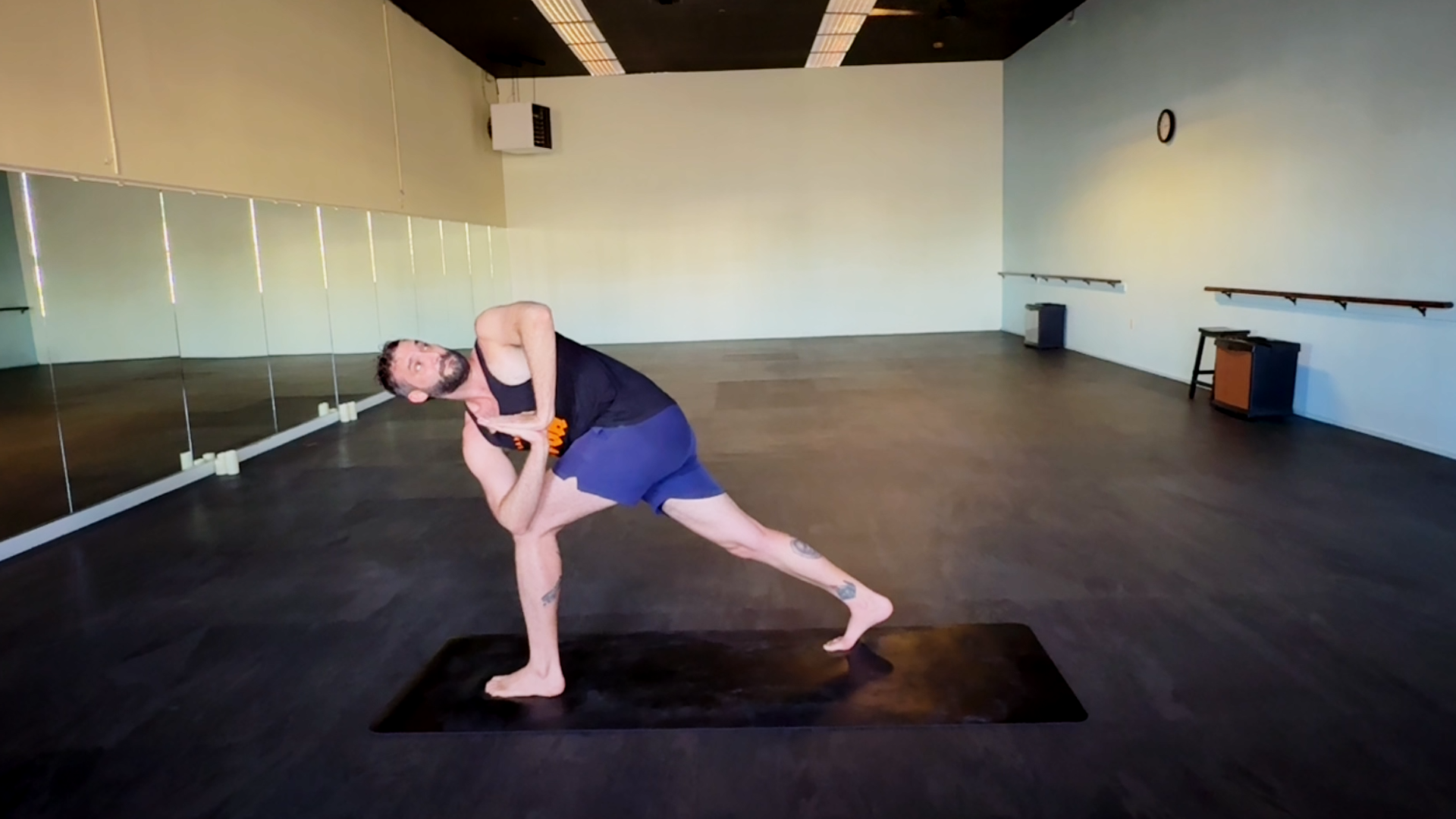
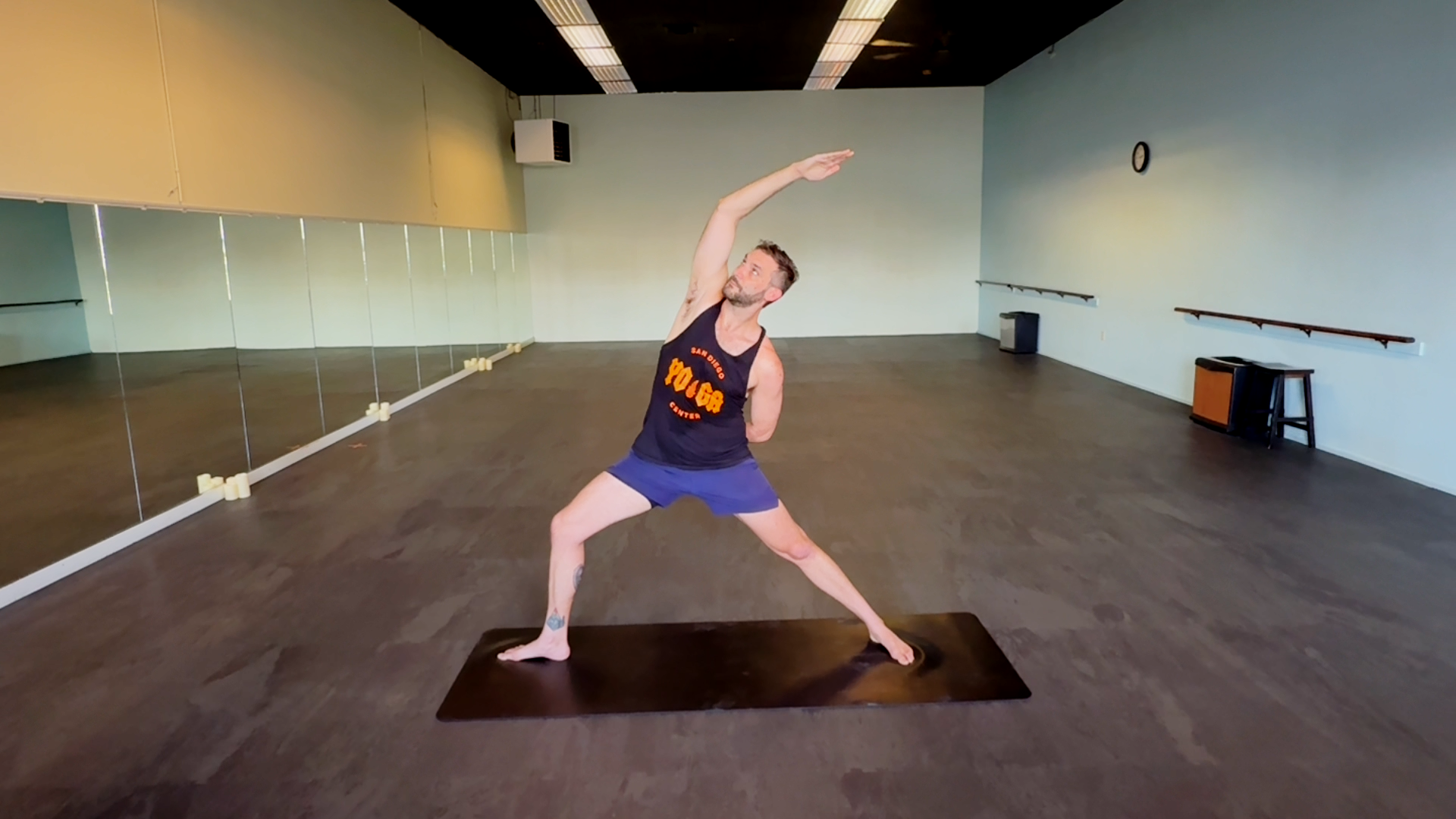
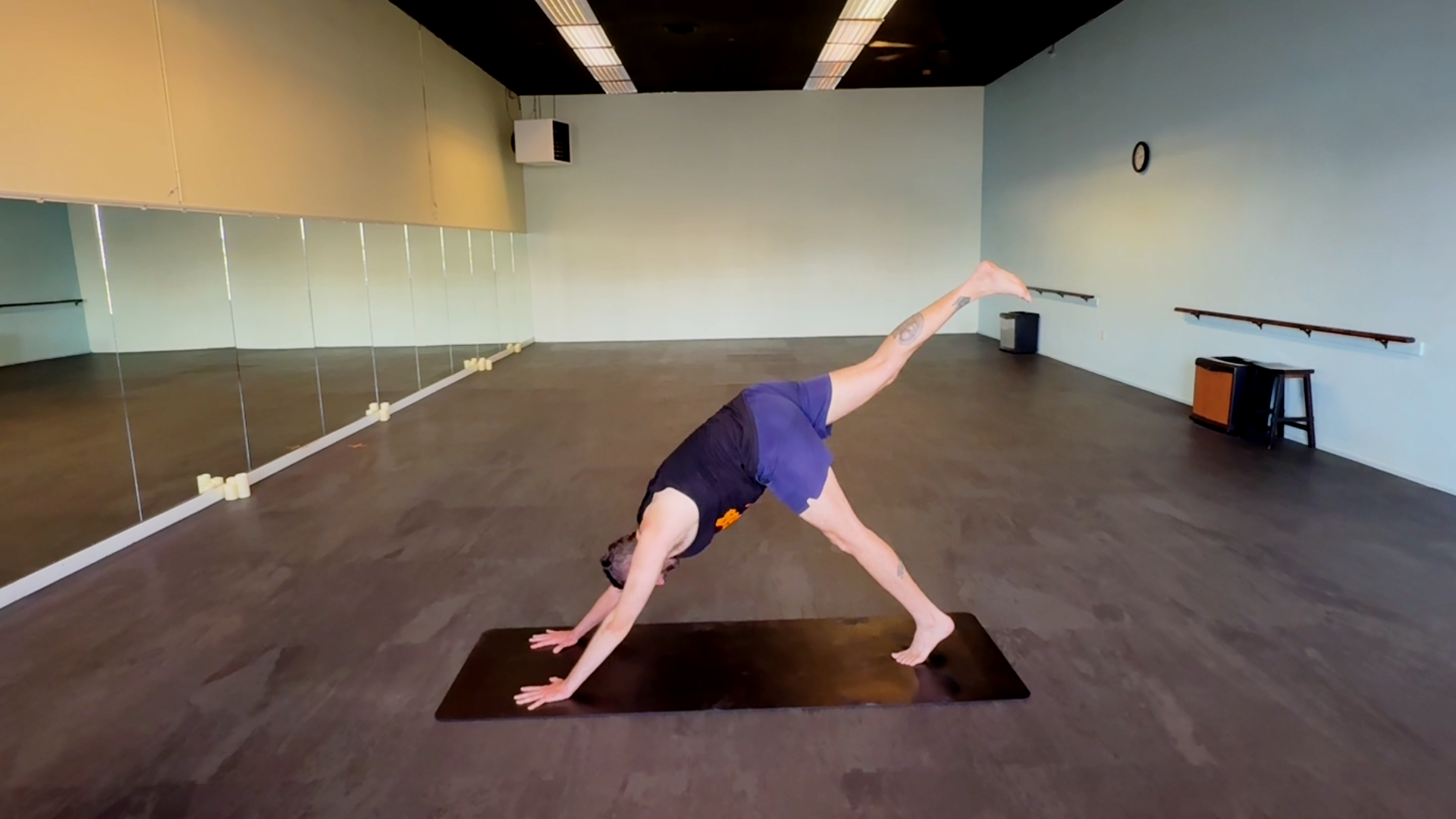
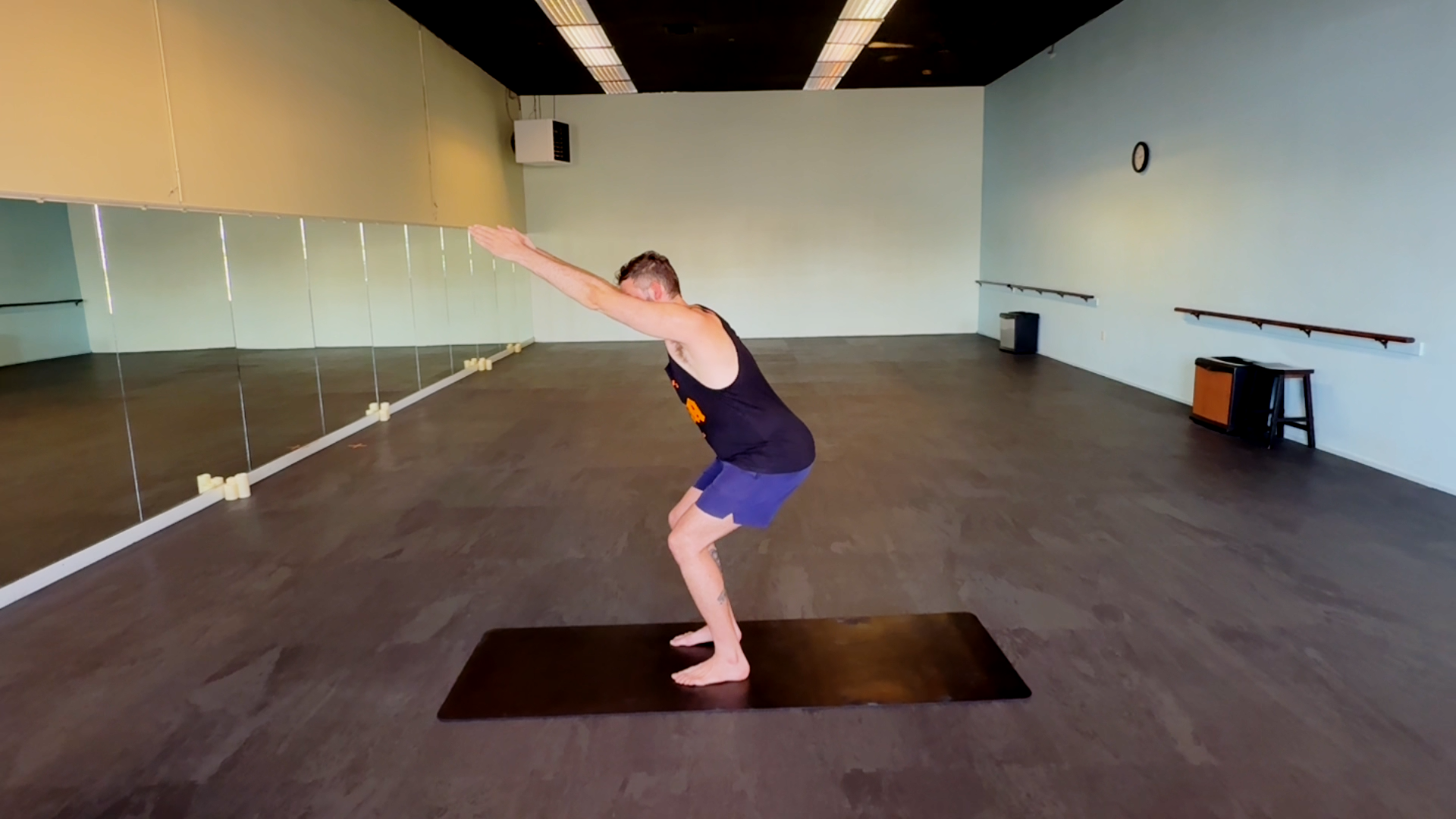
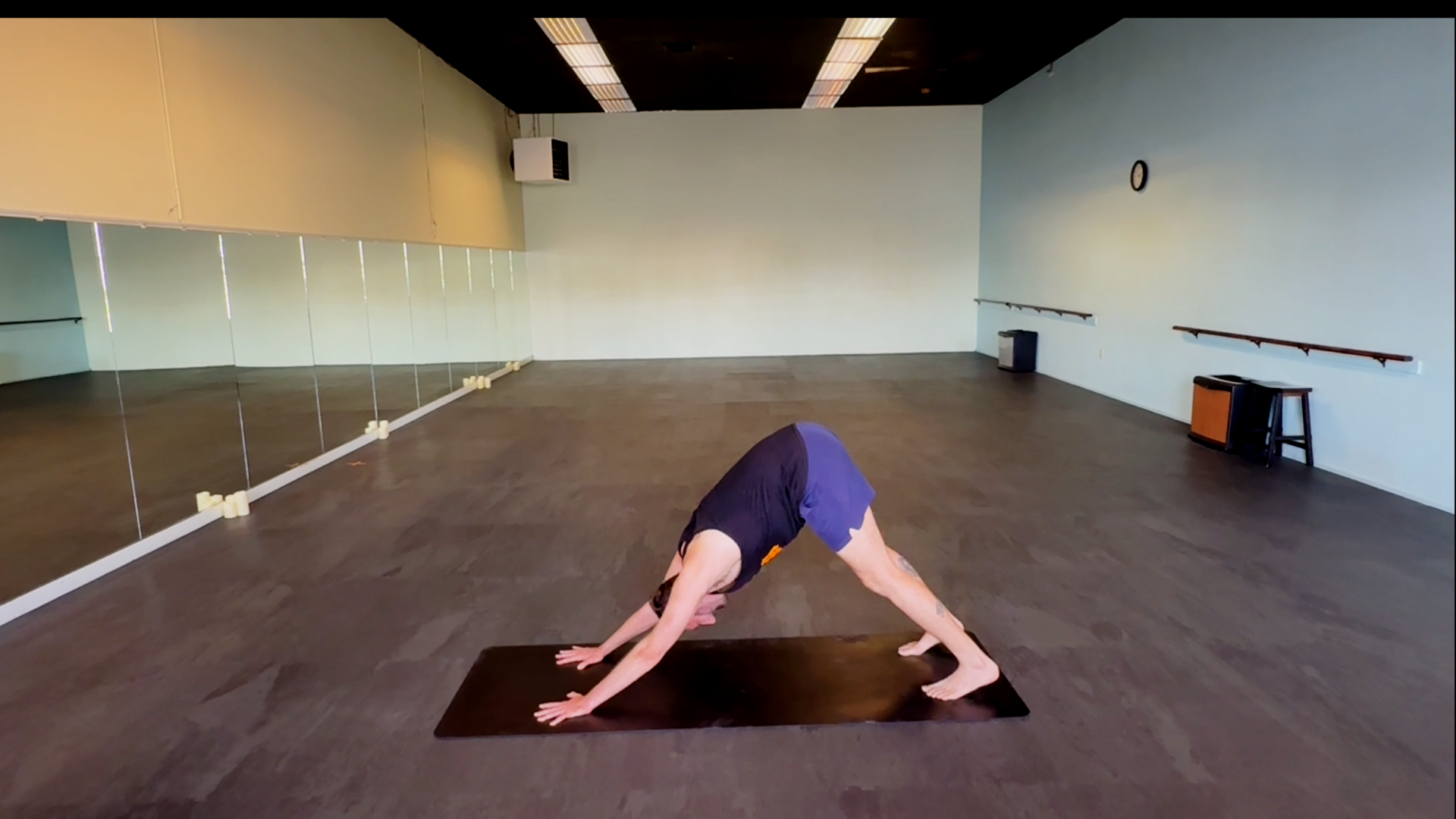
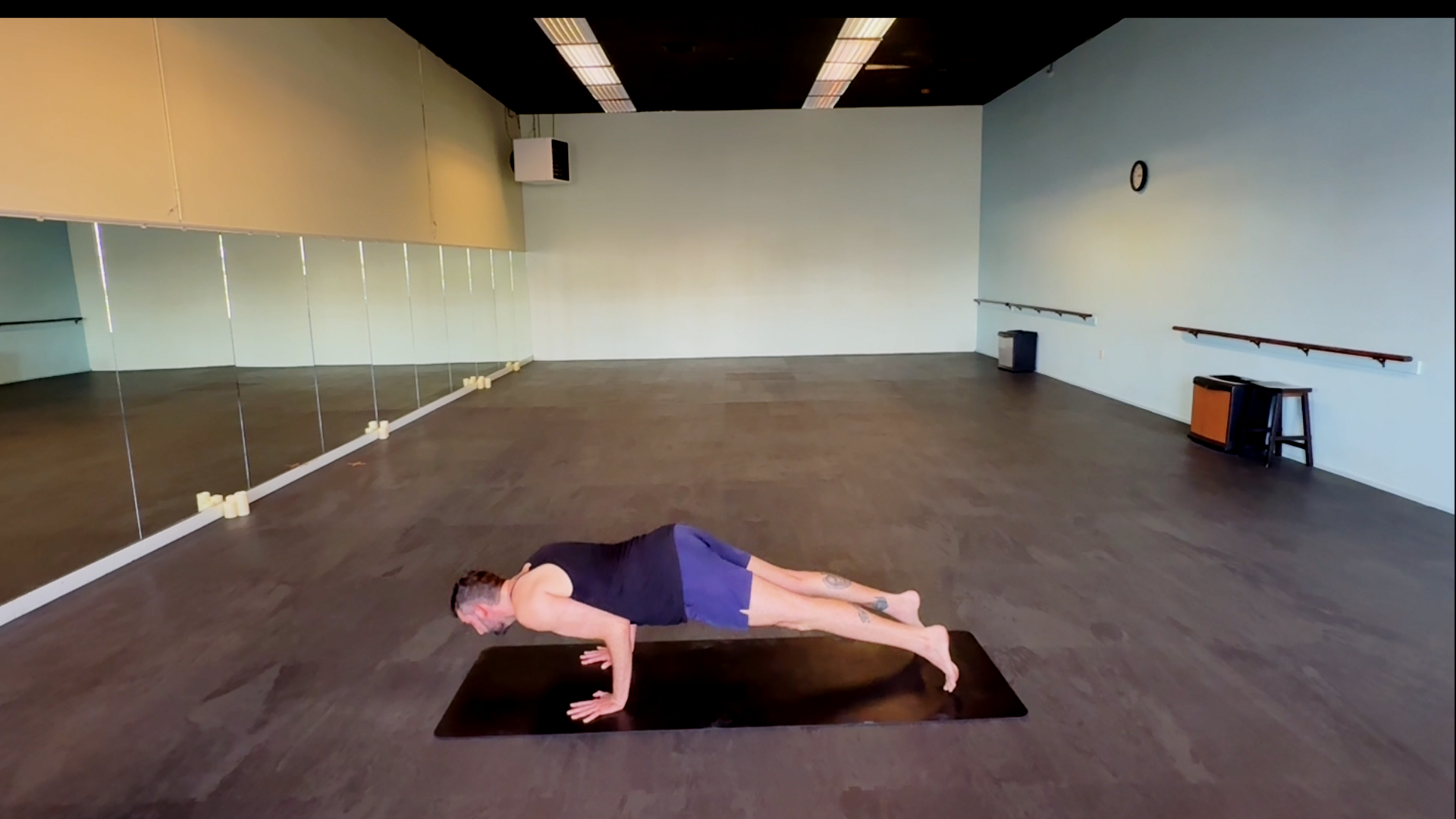

Crescent Pose is where grounding meets elevation. Unlike Warrior 1, your back heel is lifted, which immediately demands more balance and engagement from your toes. You are not anchored through two flat feet. You are rising from a narrower base.