
Pyramid Pose (Parsvottanasana)
Refine Your Foundation
Pyramid Pose is a posture of precision. It combines the structure of a standing pose with the introspection of a Forward Fold. Your legs are strong, your spine is long, and your focus turns inward.
On the Warrior’s Path, Pyramid represents refinement. It is less about expansion and more about alignment. Less about movement and more about control. This is the warrior pausing to recalibrate.
The Meaning Behind Pyramid
In Sanskrit, Parsvottanasana roughly translates to “Intense Side Stretch.” The shape resembles a geometric pyramid, stable and deliberate. Like a pyramid, this pose depends on strong edges and steady angles.
Symbolically, Pyramid Pose teaches humility within strength. You bow forward while your legs remain firm and active. You combine grounded effort with inward reflection.
This posture reminds you that structure creates freedom. The more aligned your foundation, the more space you can safely explore.
How to Practice Pyramid Pose
1. Set Your Stance
From standing, step your right foot forward and your left foot back about 2 to 3 feet. Keep your feet hip-width apart for balance. Turn your back toes slightly outward, and keep your back heel down.
2. Align Your Hips
Draw your back hip forward and your front hip slightly back to square your pelvis gently without forcing it.
3. Lengthen Your Spine
Place your hands on your hips or reach them over your head. Inhale and lengthen through your spine.
4. Fold Forward
As you exhale, hinge at your hips and fold over your front leg. Keep your spine long rather than collapsing.
5. Support as Needed
Place your hands on blocks or on either side of your front foot for stability. Stay for 5 to 10 breaths. Maintain strength in both legs as you fold.
Props and Modifications
Use blocks under your hands to maintain length in your spine.
Shorten your stance if your hamstrings feel overstretched.
Keep your hands on your hips if balance is unsteady.
Micro-bend your front knee if you tend to hyperextend.
Common Misconceptions and Misalignments
Forcing your hips perfectly square. Gently orient them without strain.
Rounding your spine to reach lower. Prioritize length before depth.
Locking your front knee. Keep it active but not rigid.
Collapsing into your front leg. Maintain engagement in both legs.
Benefits of Pyramid Pose
Physical
Stretches your hamstrings and calves.
Strengthens your legs and stabilizers.
Improves hip alignment and balance.
Opens your hips and your lower back.
Mental and Emotional
Encourages inward focus.
Builds patience and precision.
Develops discipline through alignment.
Brings you closer to your center.
Cautions and Considerations
Be mindful of hamstring injuries. Keep your stance shorter if needed.
Avoid forcing the fold if you feel sharp pain.
Use props to protect your lower back.
Move slowly in and out of the posture to maintain control.
The Edge Connection
Your edge in Pyramid Pose is restraint. It is tempting to chase depth and fold as far as possible. The real work lies in maintaining structure while softening forward.
Can you stay strong in your legs while yielding through your spine? Can you balance effort with humility? Can you allow yourself to take the support where it’s needed?
Pyramid teaches that intensity does not require aggression. It requires awareness.
Warrior’s Edge Takeaway
In Pyramid Pose, you embody the disciplined warrior. You bow without collapsing. You strengthen without hardening.
On the Warrior’s Path, this posture reminds you that refinement is part of growth. Alignment builds resilience. Precision builds power.
Strength is not only how far you go. It is how intentionally you move.
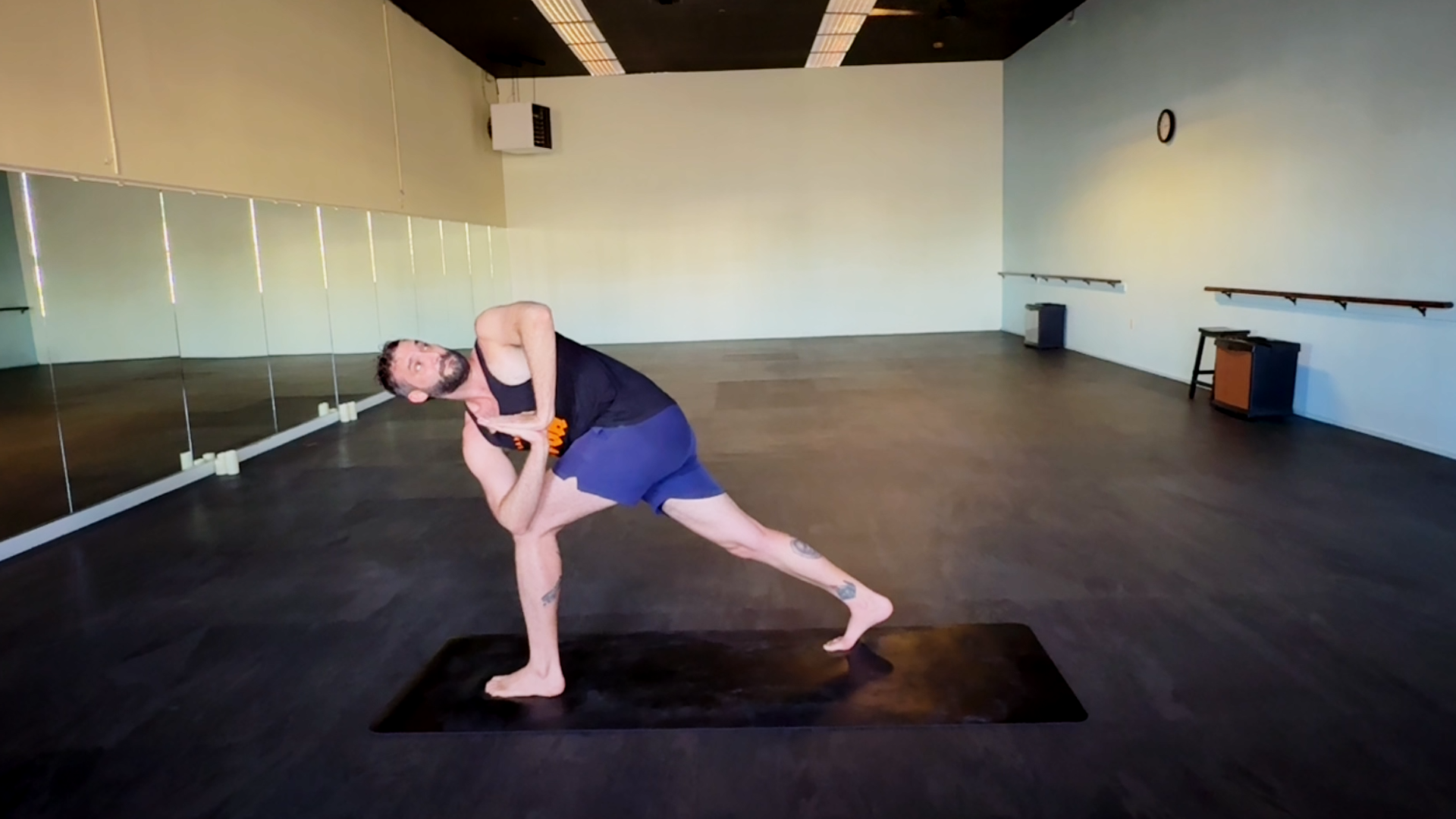
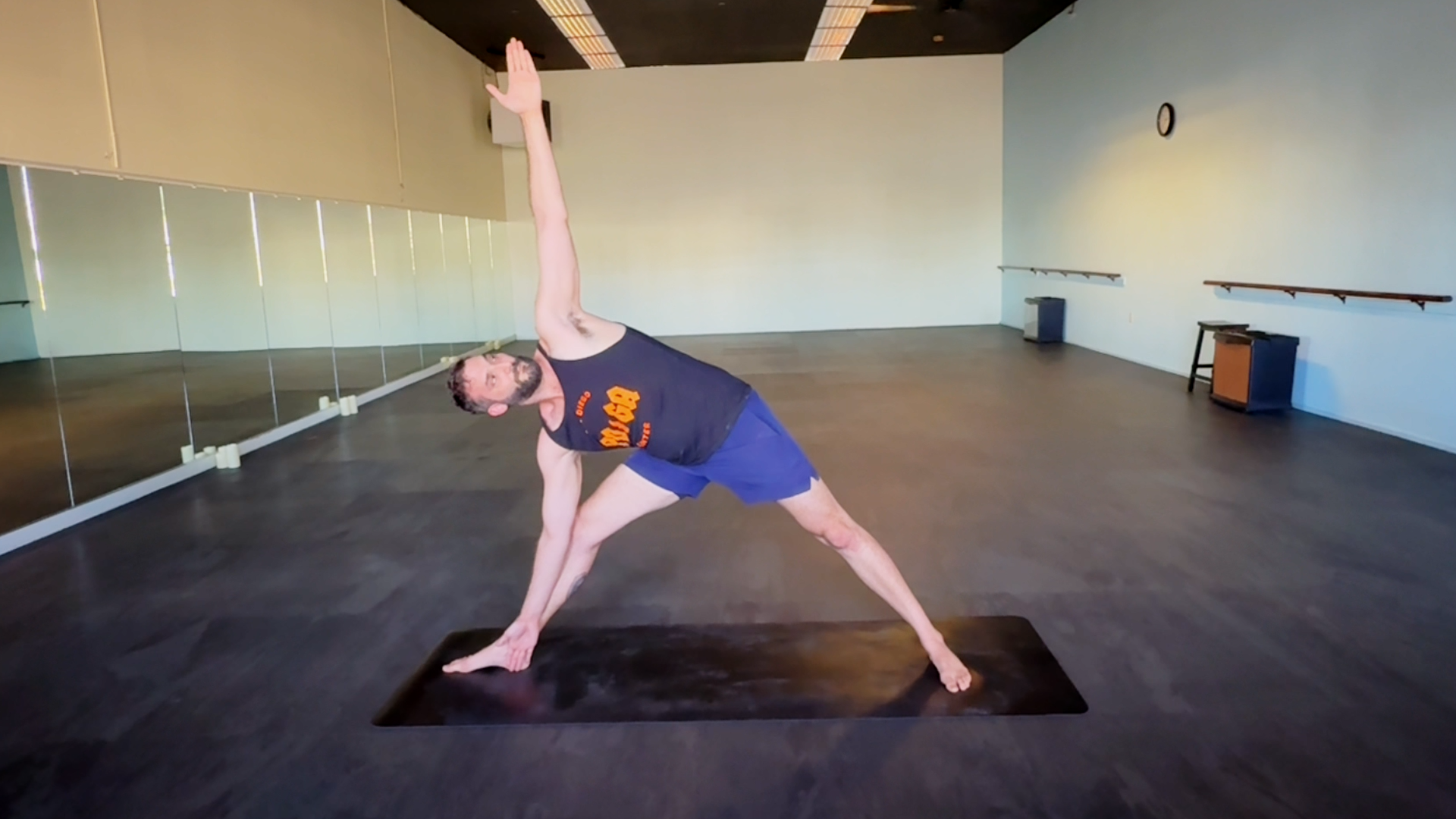
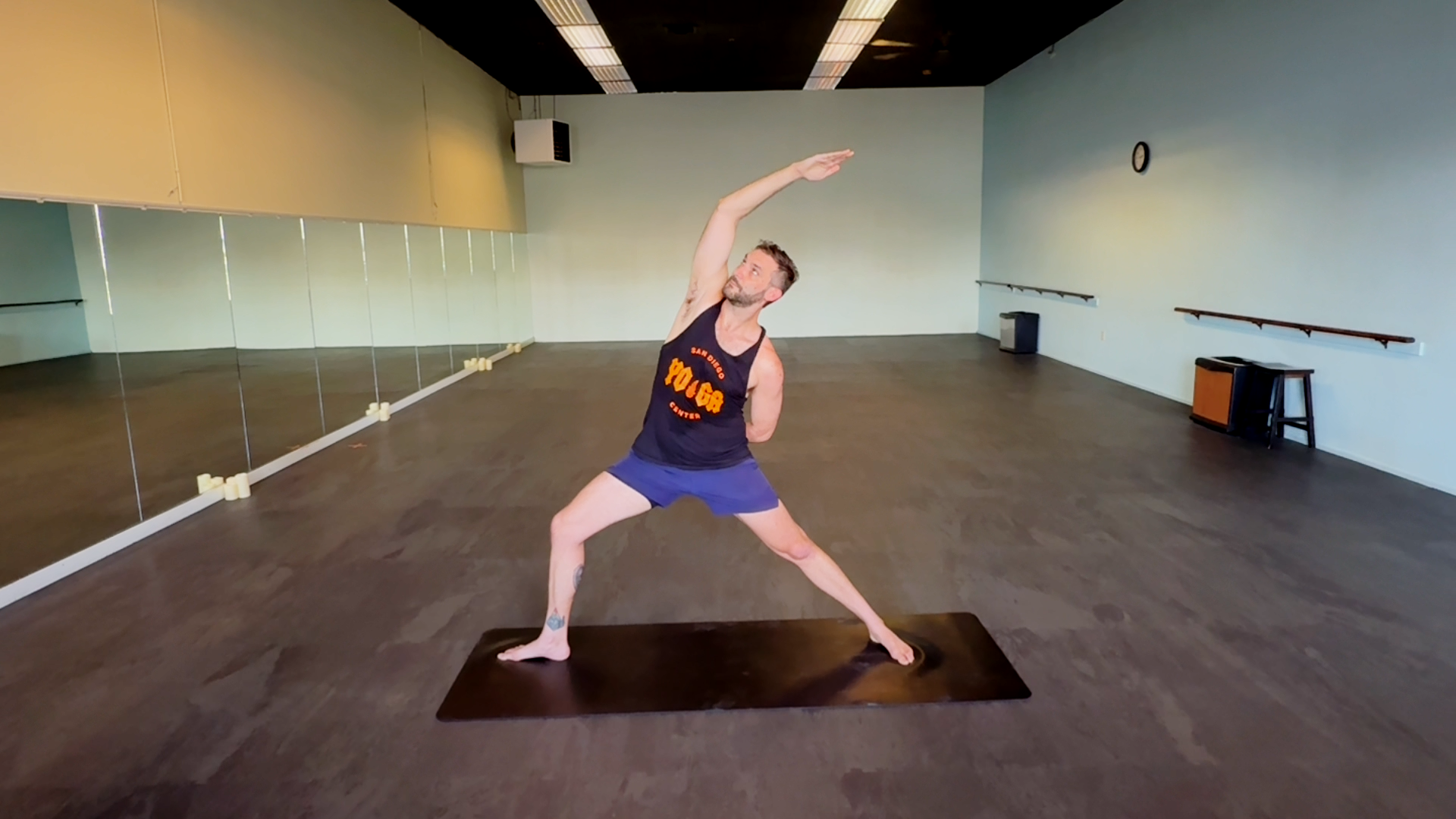
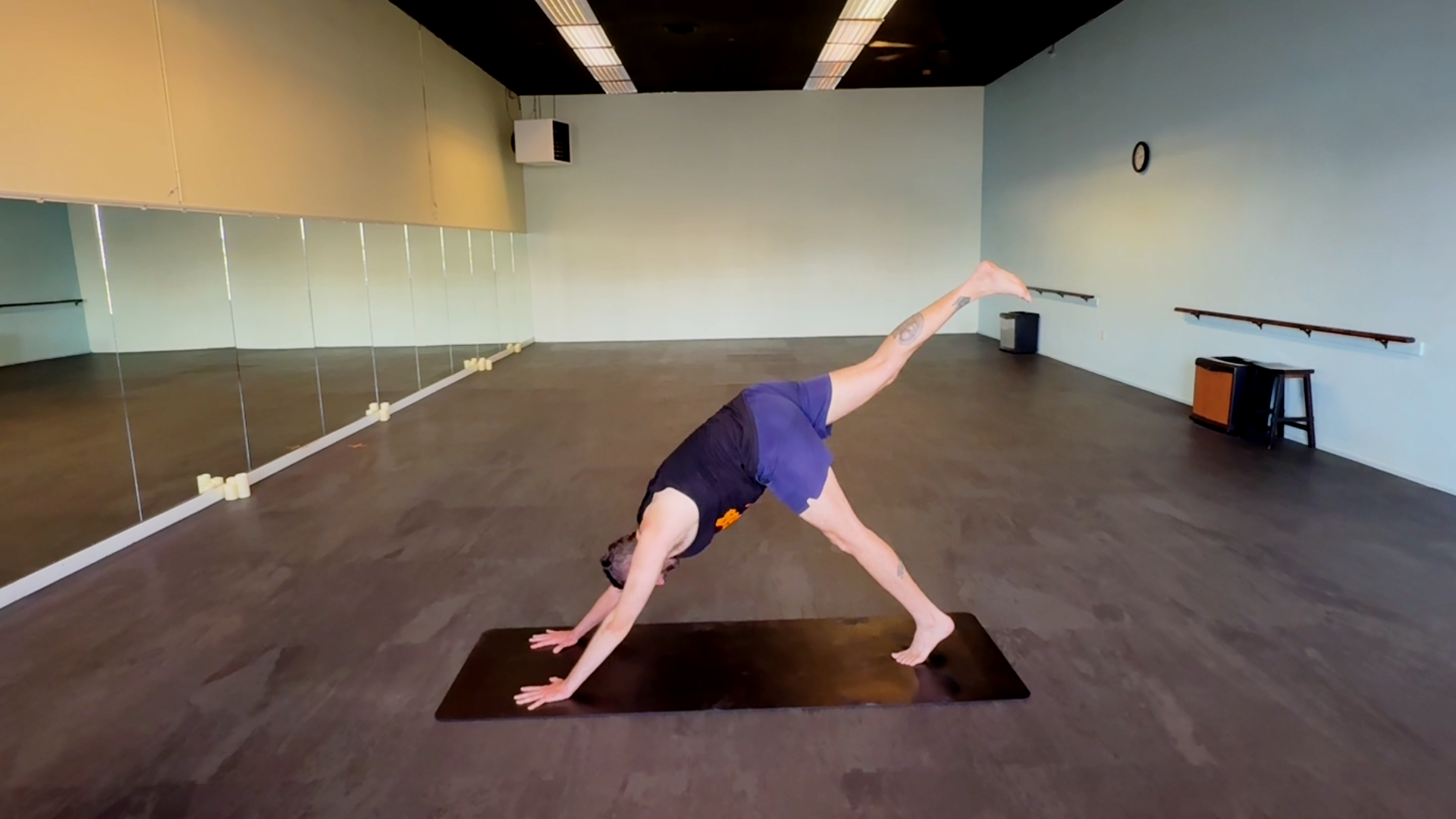
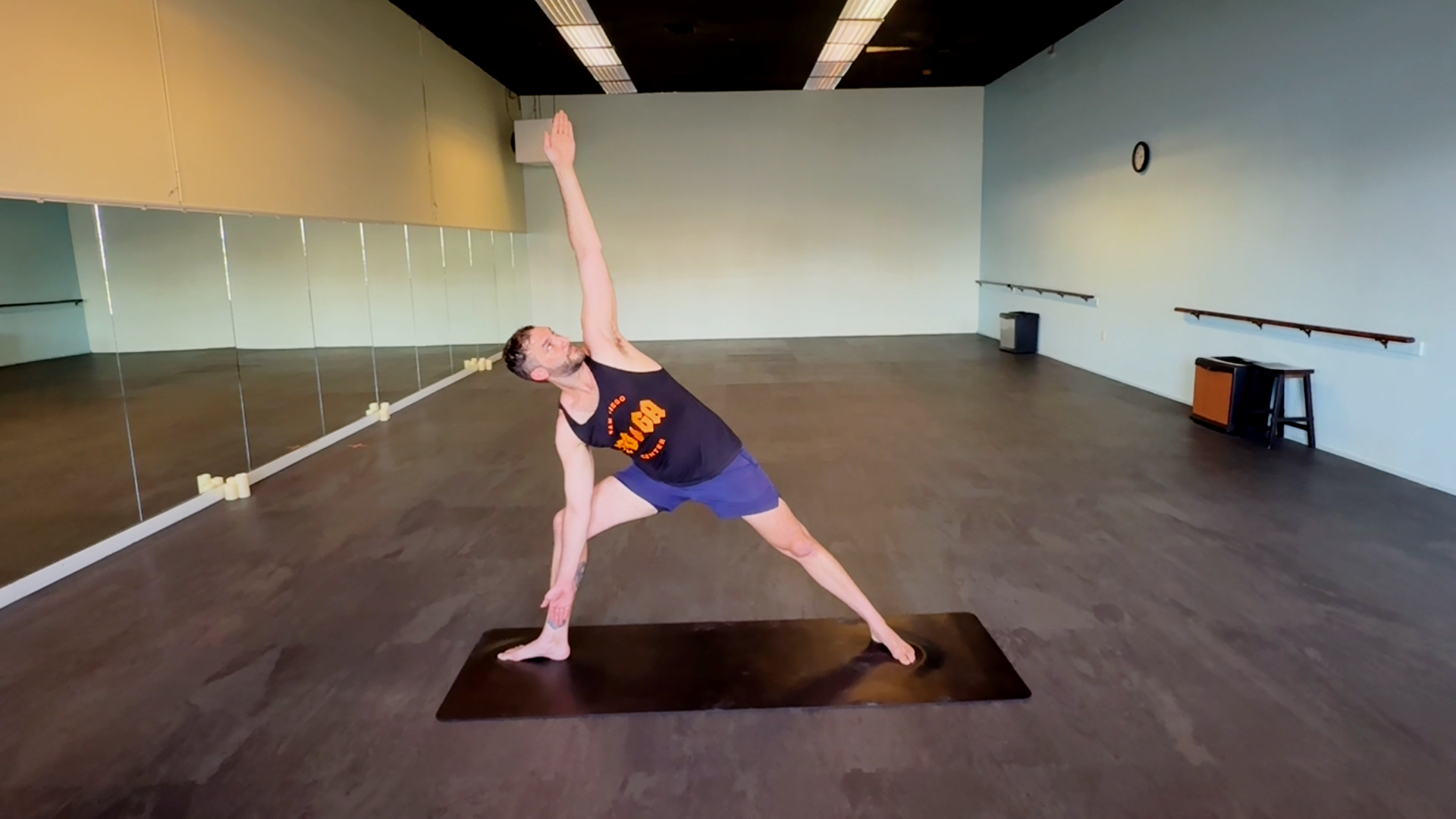
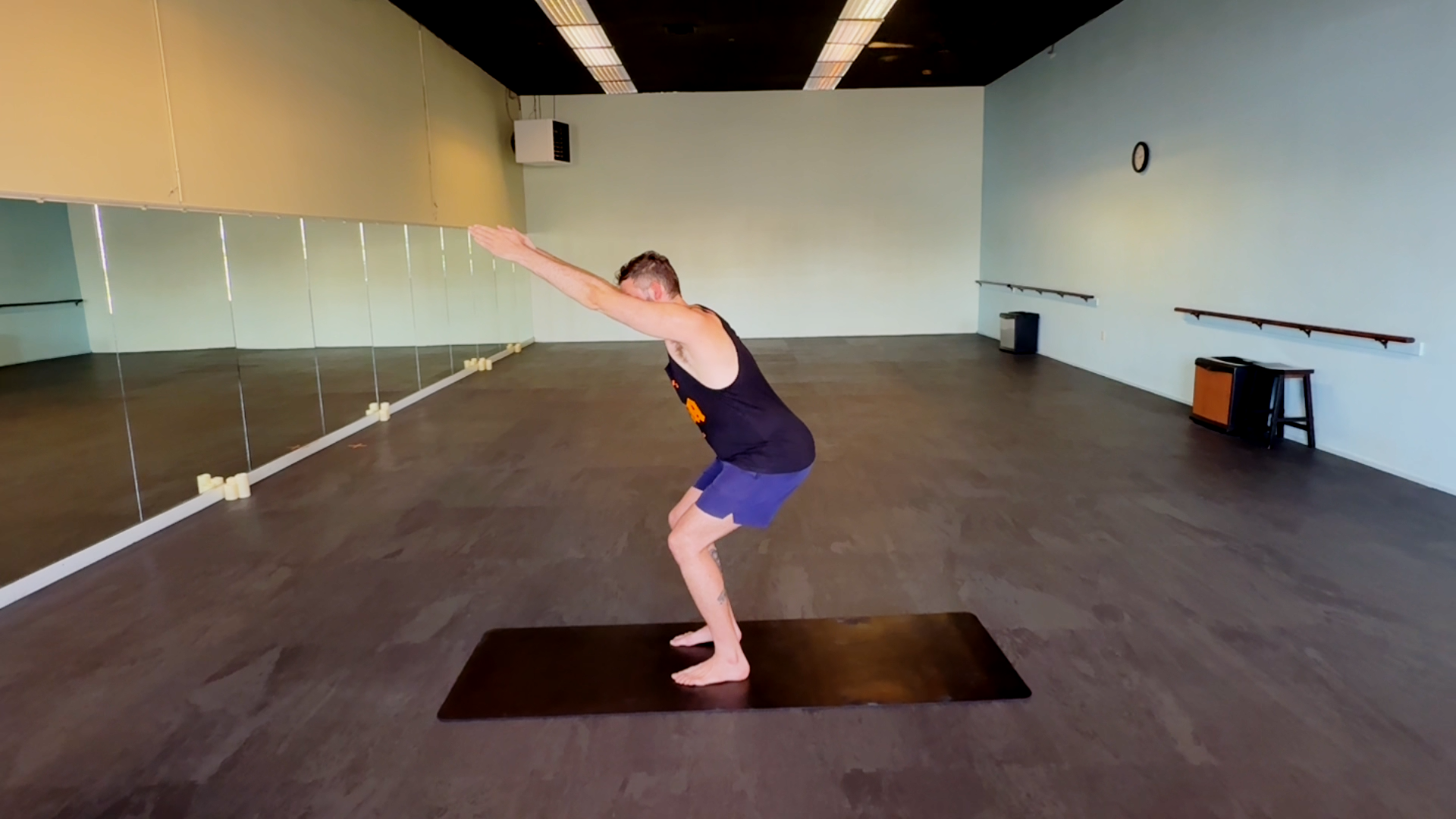
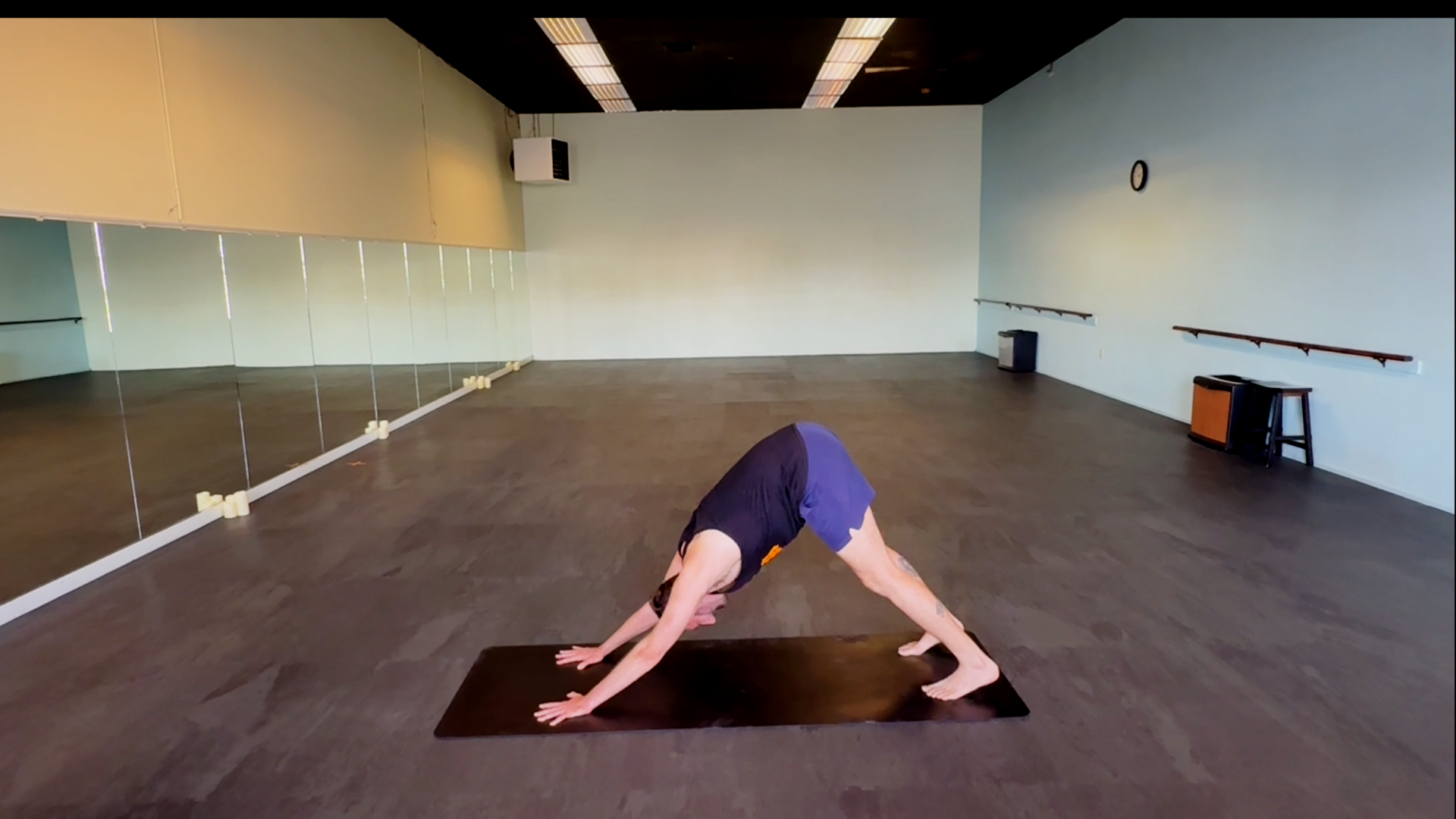
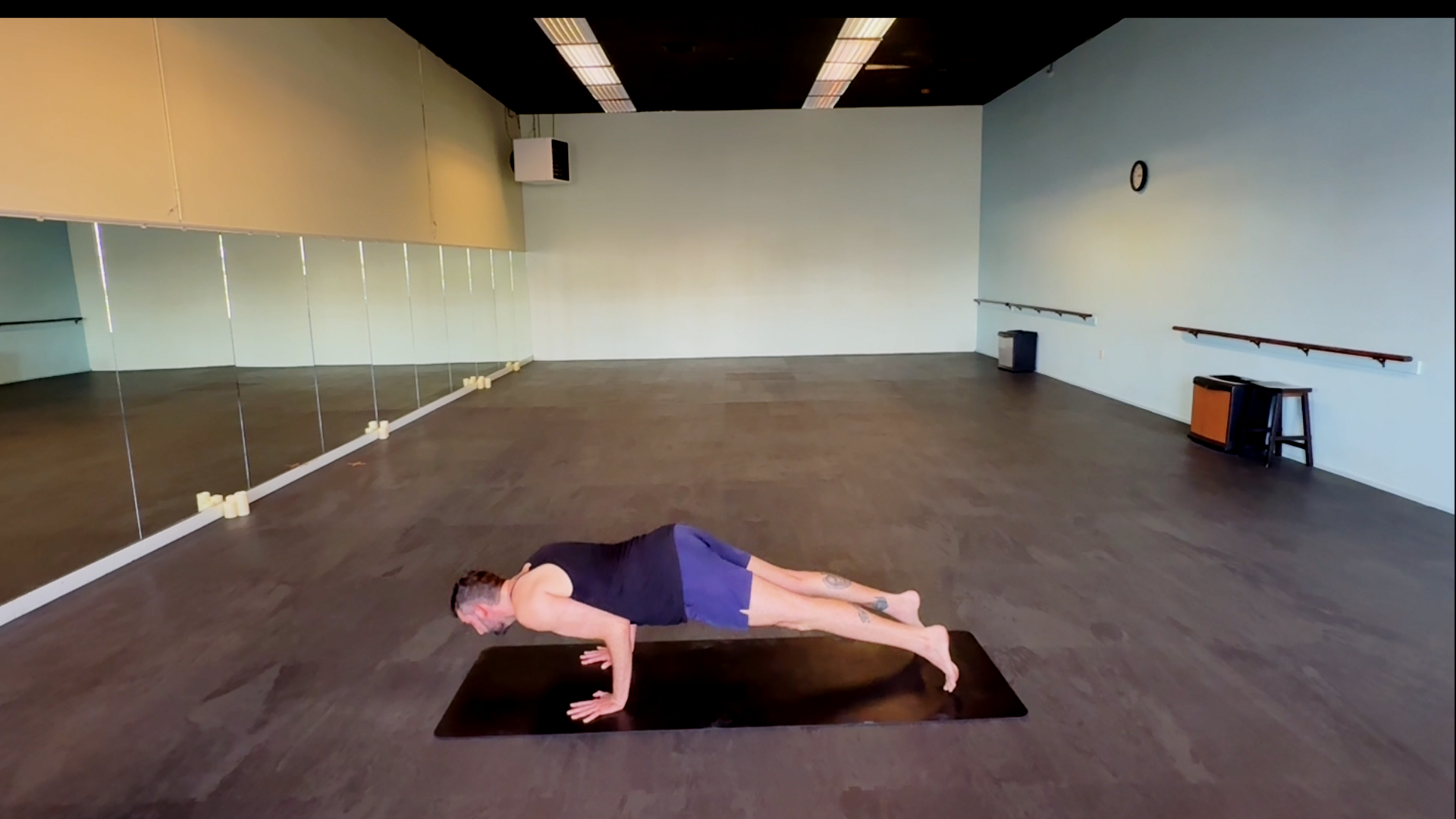


Crescent Pose is where grounding meets elevation. Unlike Warrior 1, your back heel is lifted, which immediately demands more balance and engagement from your toes. You are not anchored through two flat feet. You are rising from a narrower base.