
Dancer’s Pose (Natarajasana)
Find Grace Within Effort
Dancer’s Pose asks you to balance while moving in opposing directions.
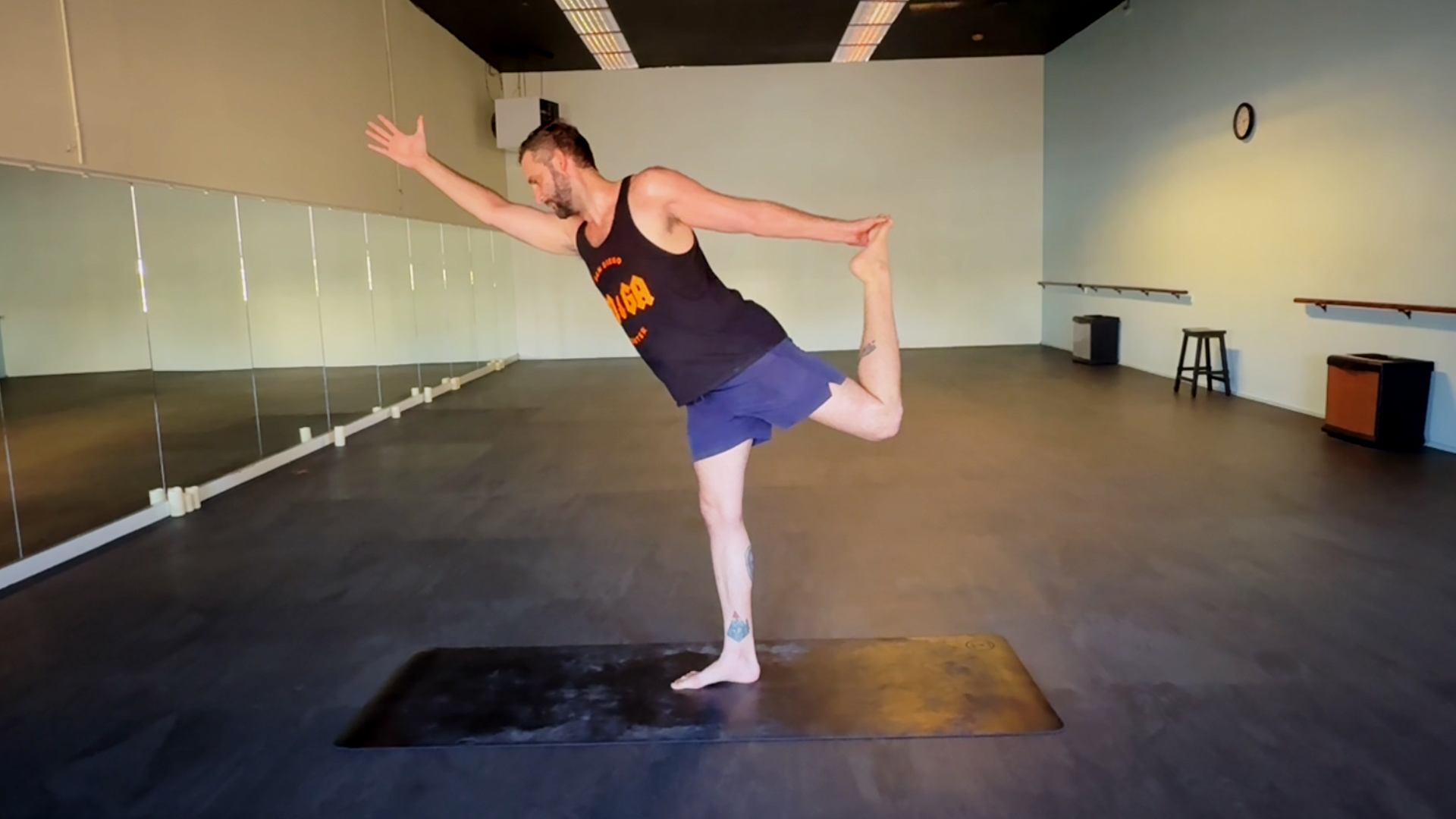
One foot roots into the earth while the other leg reaches behind you. Your chest extends forward and upward. One hand holds your lifted foot while your standing leg continually adjusts beneath you.
The finished shape can look graceful, but creating it requires strength, mobility, concentration, and patience.
On the Warrior’s Path, Dancer’s Pose represents grace under pressure. Strength creates the structure, but control alone cannot complete the pose. You also have to open, extend, and trust yourself enough to move.
The Meaning Behind Dancer’s Pose
In Sanskrit, Natarajasana means “Pose of the Lord of the Dance.” The name refers to Nataraja, the dancing form of Shiva.
In Hindu tradition, Shiva’s cosmic dance represents the continuous rhythms of creation, preservation, destruction, and renewal. One of the most recognizable depictions shows Nataraja dancing within a ring of flames, simultaneously expressing movement and stillness, destruction and creation, power and grace.
That symbolism gives Dancer’s Pose remarkable depth.
You balance while moving. Ground while expanding. Hold something behind you while continuing to reach forward and upward.
Symbolically, Dancer’s Pose reminds you that change need not disrupt your center. You can remain grounded while everything around that center continues to move.
How to Practice Dancer’s Pose
1. Begin in Mountain Pose
Stand tall and ground evenly through both feet. Choose a steady point in front of you to fix your gaze on.
2. Shift Your Weight
Transfer your weight into your left foot. Bend your right knee and bring your heel toward your glutes.
3. Take Hold of Your Foot
Reach your right hand back and hold the inside or outside of your right foot or ankle. Holding the outside keeps your shoulder in a more neutral and accessible rotation. Holding the inside causes external rotation of your shoulder, which creates more opening, but is more challenging when first introduced to the pose.
4. Establish Your Balance
Bring your knees relatively close together before moving deeper. Reach your left arm forward or overhead.
5. Kick Back
Press your right foot into your hand as you begin extending your thigh behind you. Let this opposing pressure create the backbend.
6. Reach Forward
Extend through your free arm while allowing your torso to tilt slightly forward. Keep your chest lifted rather than collapsing toward the floor. Release your foot with control, return to Mountain Pose, and repeat on the opposite side.
Props and Modifications
Practice near a wall and use your free hand for balance.
Loop a strap around your lifted foot if reaching it comfortably is difficult.
Keep your lifted thigh lower and your torso more upright.
Hold your foot without kicking deeply into your hand to practice the balance before adding the backbend.
Keep a slight softness through your standing knee.
Common Misconceptions and Misalignments
Trying to lift your foot as high as possible. Create length and opposition rather than chasing height.
Pulling your foot toward your head. The action comes primarily from kicking your foot backward into your hand.
Opening your lifted knee dramatically to the side. Keep it moving generally behind you.
Compressing your low back. Engage your glutes and distribute the backbend through your spine.
Locking your standing knee. Maintain strength without hyperextension.
Holding your breath as the balance becomes more challenging. Let your breath help steady you.
Benefits of Dancer’s Pose
Physical
Strengthens your standing leg, ankle, and core.
Opens your chest and shoulders.
Stretches your hip flexors and quadriceps.
Improves balance and coordination.
Develops spinal mobility and full-body integration.
Mental and Emotional
Builds concentration and patience.
Encourages confidence within challenging movement.
Develops adaptability when balance shifts.
Cultivates the connection between strength and grace.
Opens your heart and expands your mind.
Cautions and Considerations
Practice near a wall if balance is a concern.
Avoid forcing the backbend if you experience low back discomfort.
Modify your grip or use a strap if you have shoulder limitations.
Move gradually if you have knee, ankle, or hip injuries.
Exit with control rather than abruptly releasing your lifted foot.
The Edge Connection
Your edge in Dancer’s Pose is finding control without becoming rigid.
There is a lot to manage. Your standing foot adjusts beneath you while your lifted leg presses backward, your chest reaches forward, and your attention tries to hold everything together.
But gripping harder does not necessarily make you more balanced.
Can you create enough strength to support yourself while leaving enough freedom to move? Can you shake without abandoning the pose? Can you find something graceful within an experience that requires tremendous effort?
The symbolism of Nataraja makes that challenge even more meaningful. Shiva dances within transformation rather than waiting for everything to become still.
On the Warrior’s Path, mastery is not controlling every movement. It is learning how to remain centered while movement continues around you.
Warrior’s Edge Takeaway
In Dancer’s Pose, you embody the graceful warrior.
You root into the earth while reaching in opposite directions, discovering strength within movement and steadiness within change.
This pose reminds you that power does not always need to look forceful. Sometimes the greatest expression of strength is making effort look like grace.
Root down. Reach outward. Dance with the change.
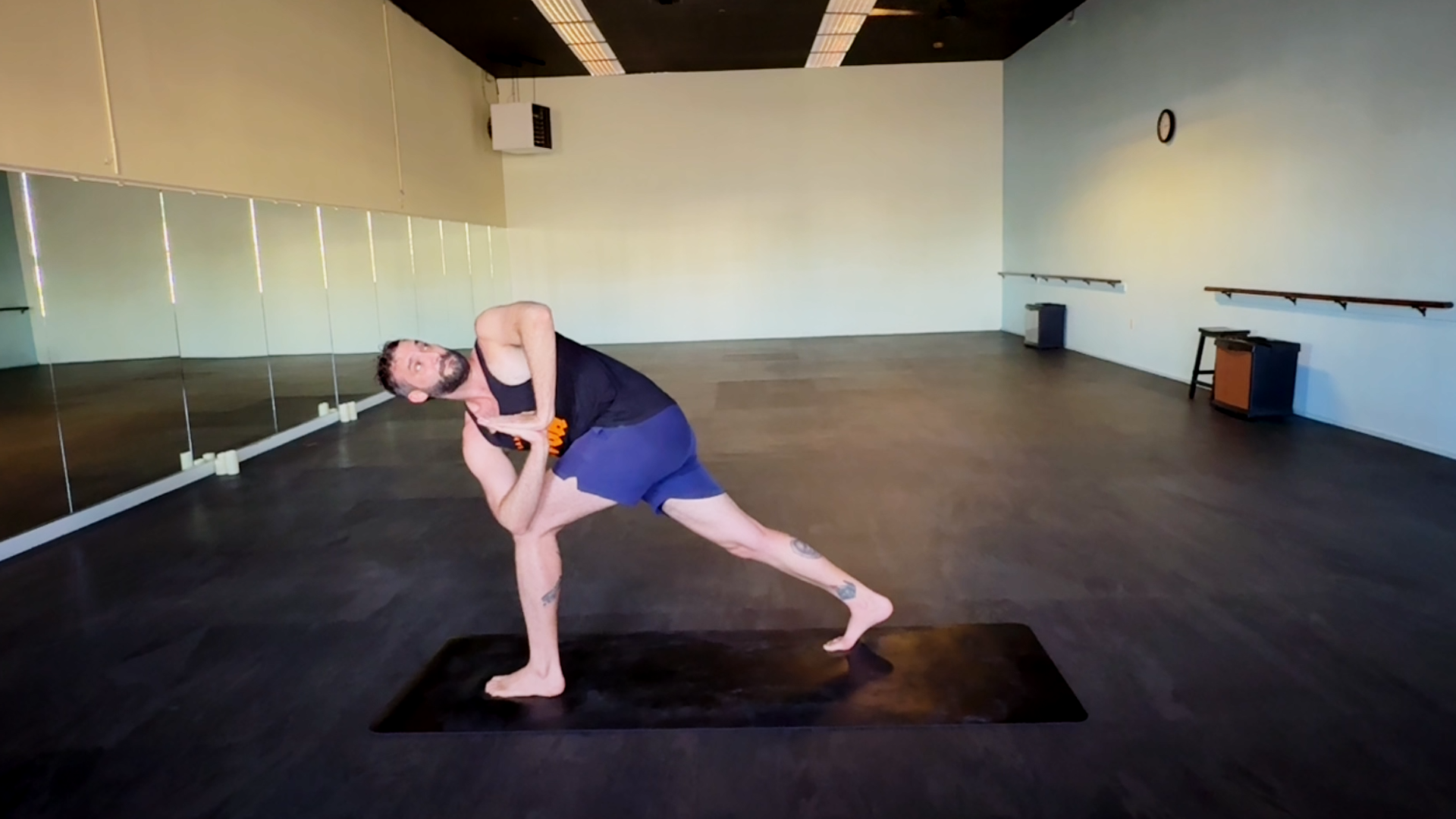
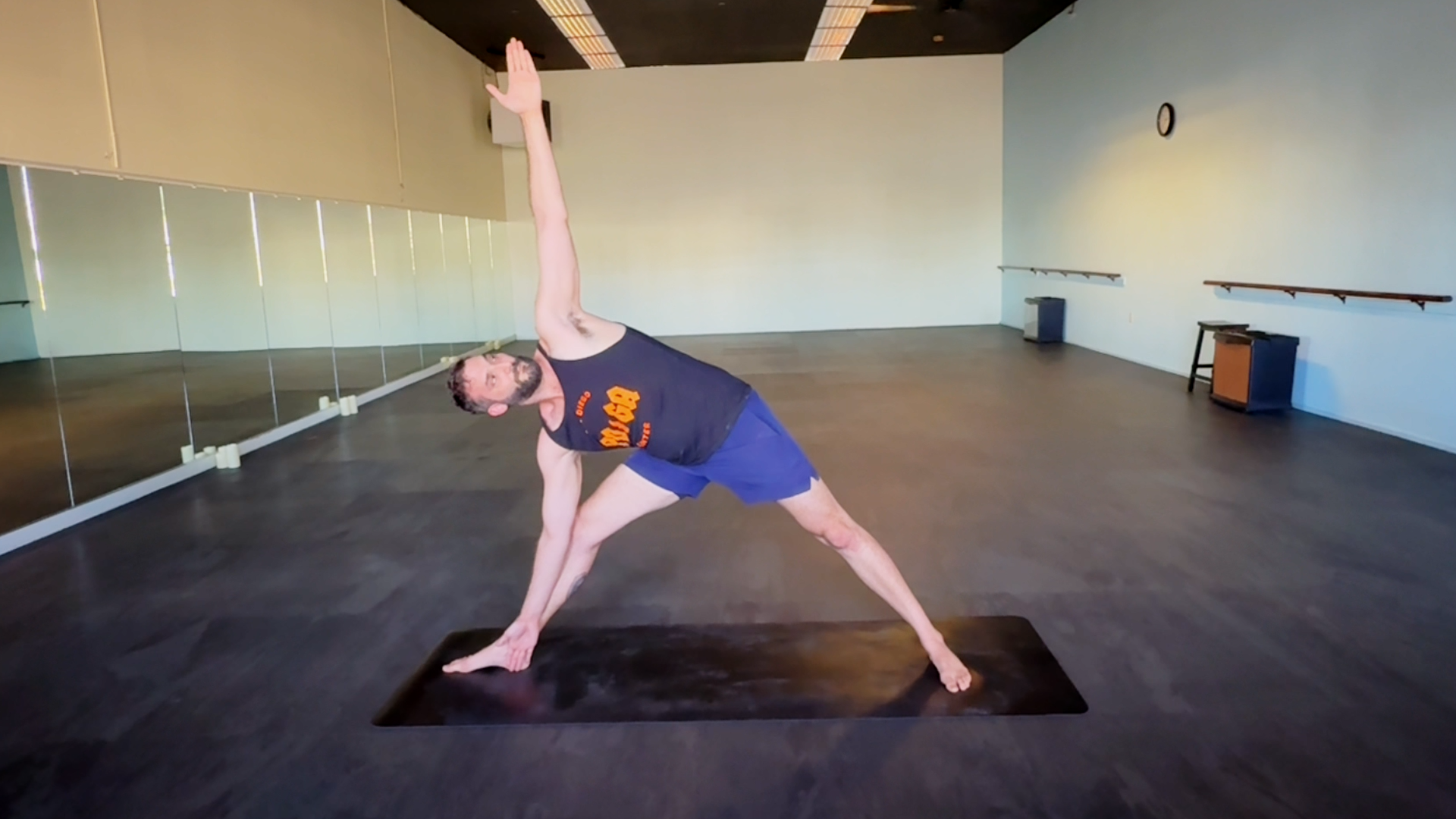
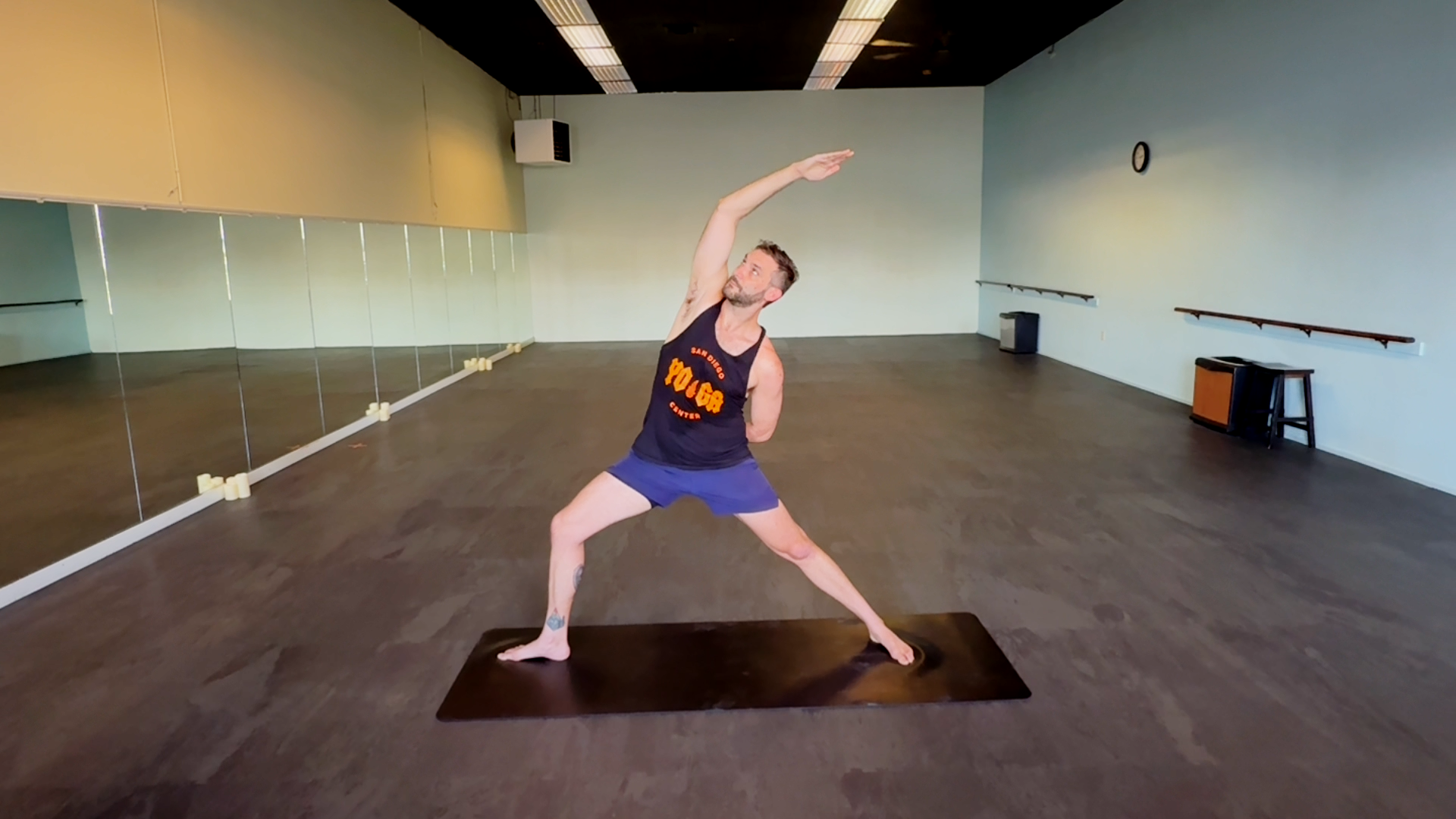
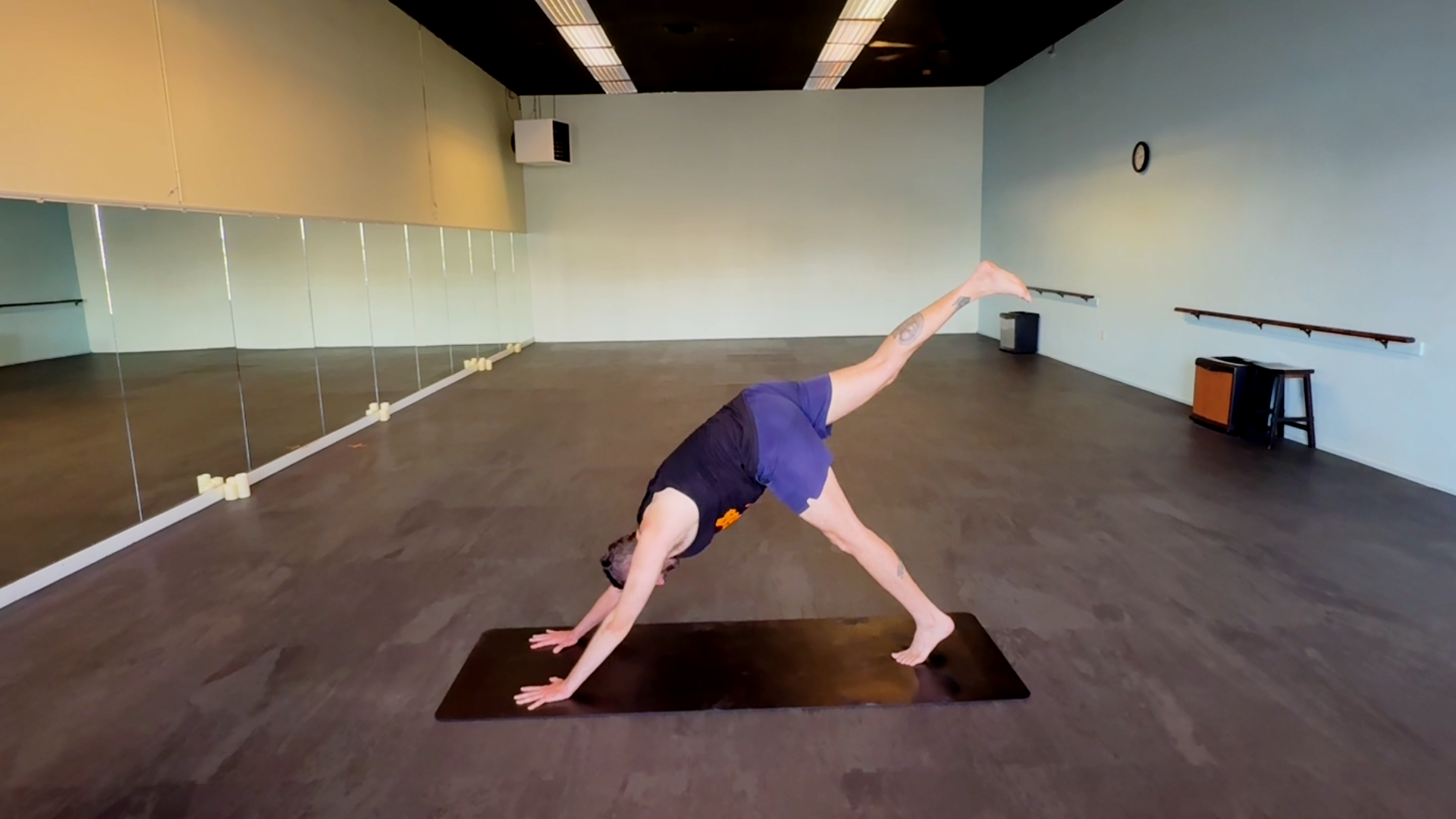
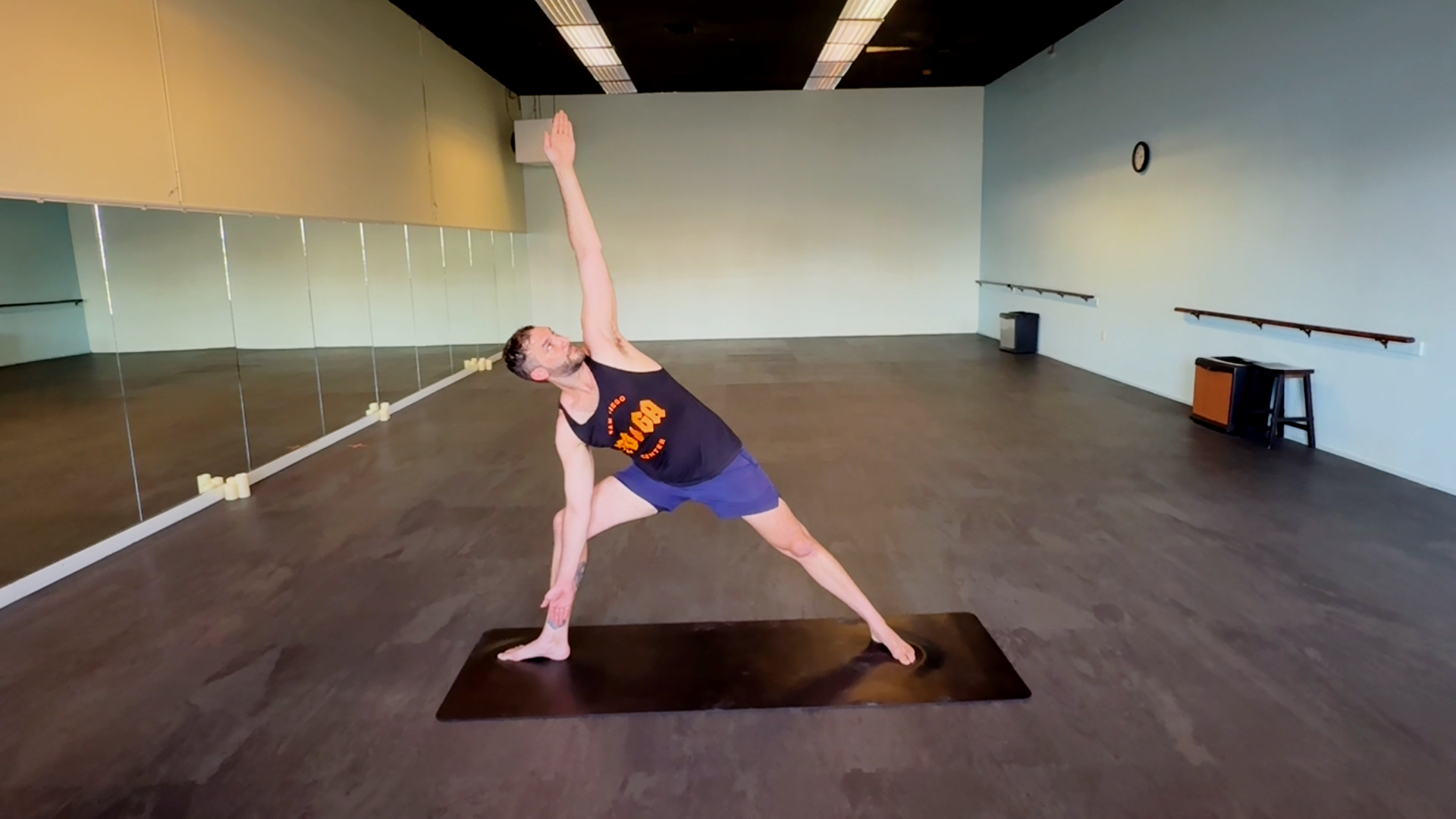
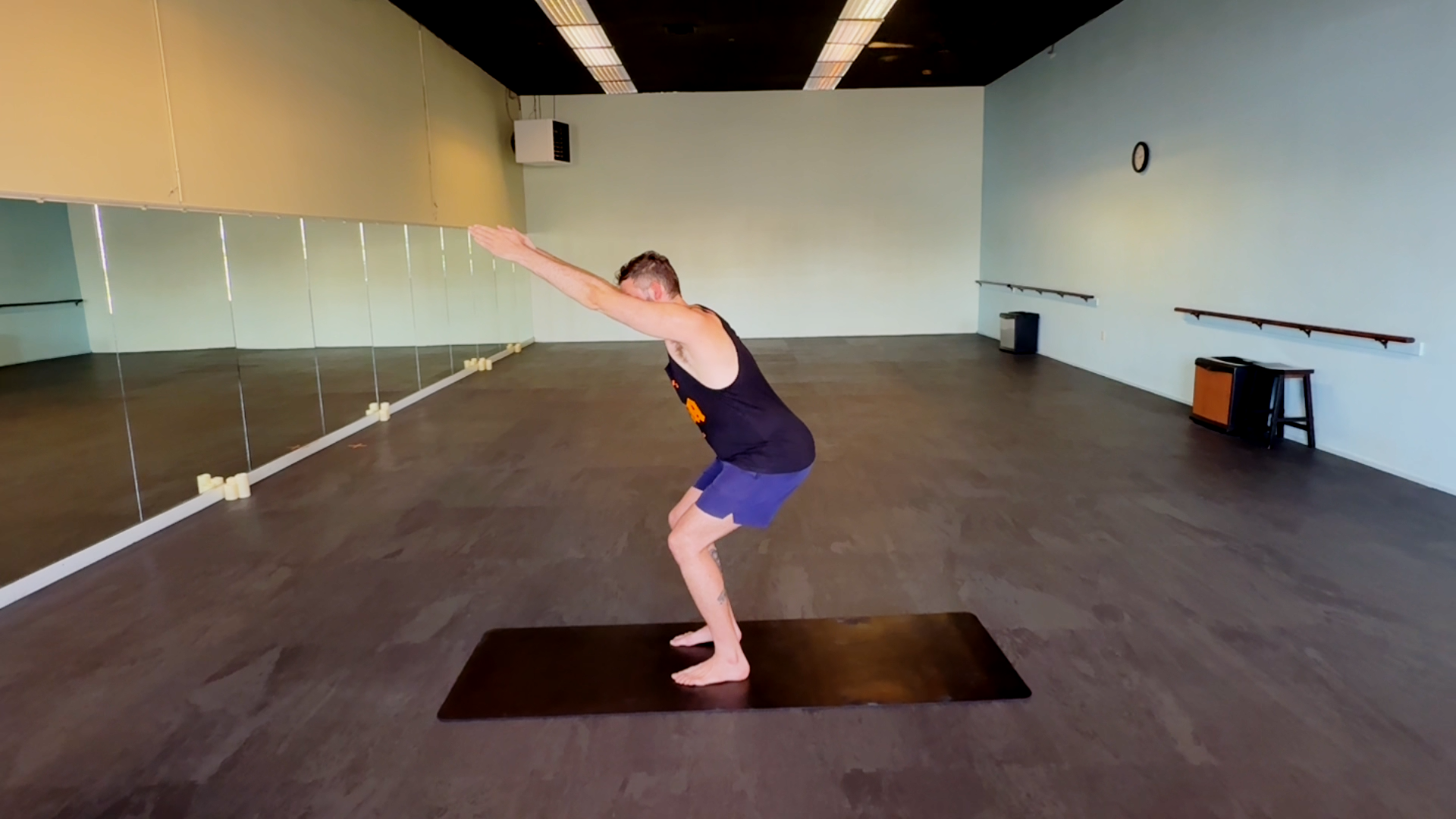
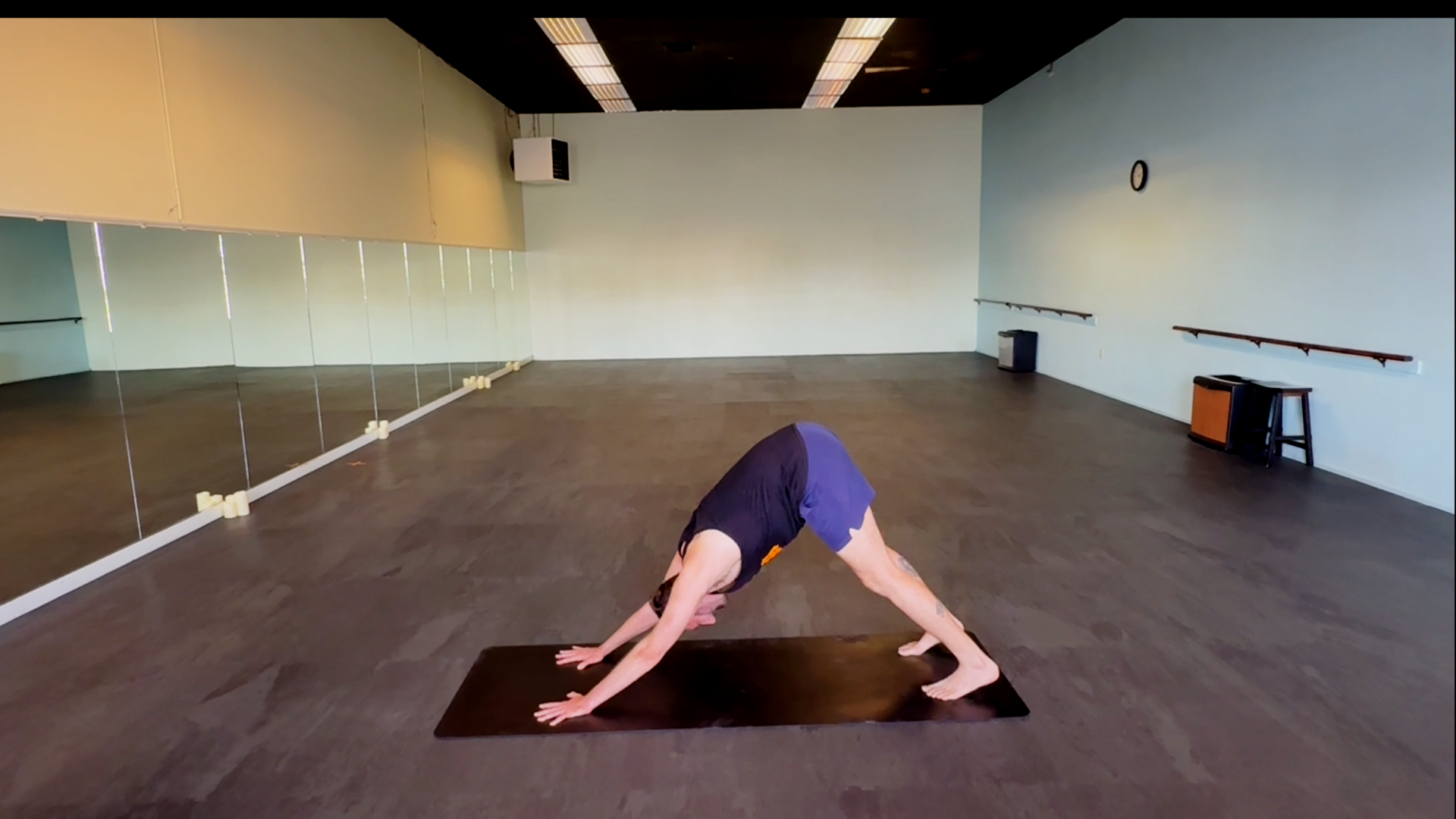
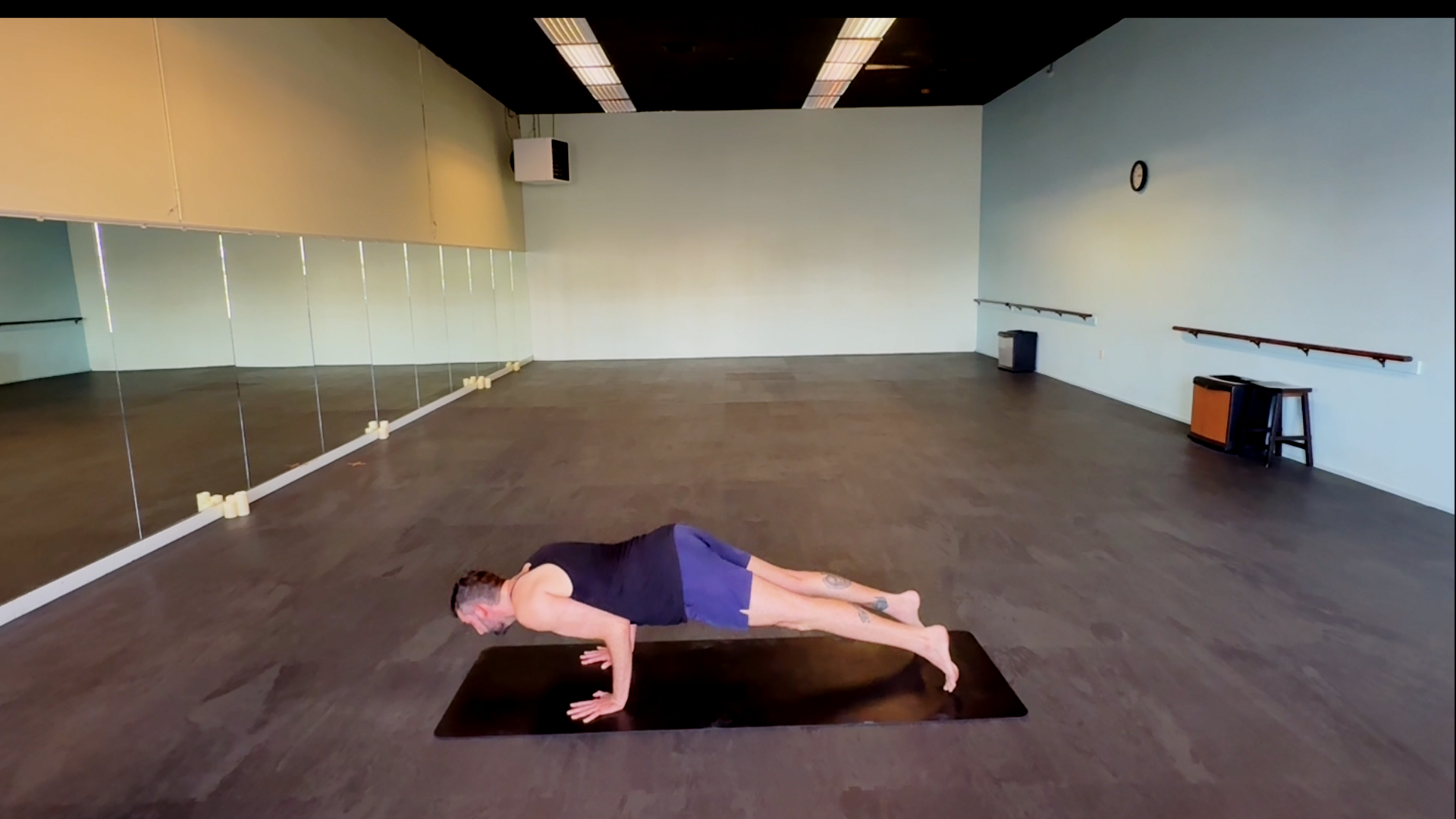

Crescent Pose is where grounding meets elevation. Unlike Warrior 1, your back heel is lifted, which immediately demands more balance and engagement from your toes. You are not anchored through two flat feet. You are rising from a narrower base.